What Does Cellulite Look Like? Signs Causes & Where It Appears
From stretch marks and wrinkles to freckles and moles your skin is a living record of your journey. While textured skin is entirely natural—nearly everyone has some—understanding exactly what you are seeing on your body can help you decide how to best care for it.
What does cellulite look like? It is an extremely common condition that causes an uneven dimpled skin texture. It affects roughly 80–90% of women and about 10% of men at some point in their lives. While it isn't harmful or a medical emergency, many people find the appearance frustrating.
In this guide we will explore the visual signs of cellulite the biology of what is happening under your skin and the modern clinical solutions available to smooth it out.
What Is Cellulite?
Cellulite is the bumpy or lumpy appearance of the skin caused by subcutaneous fat (the fat stored just beneath the skin surface).
The term "cellulite" actually didn't enter the common vocabulary until 1968 when it was popularized by Vogue magazine. Before that these skin ripples were simply considered a normal part of aging and maturation.
Biologically cellulite occurs when fat cells grow and push upward against the skin while the long tough cords of connective tissue that tether the skin to the muscle pull downward. This creates an uneven surface much like a buttoned-up sofa or a quilted mattress.
What Does Cellulite Look Like?

The appearance of cellulite is famously likened to two specific textures: cottage cheese or an orange peel.
Visual Signs and Texture
- Dimples and Pits: Small indentations in the skin that appear like shallow craters.
- Rippling: A wavy appearance that might only show up when you move or squeeze the skin.
- Lumpiness: Small firm bumps just under the surface that create a "mountain and valley" effect.
Severity Levels
Cellulite is often categorized by its visibility:
- Mild: You can only see the dimpling if you pinch the skin or sit on a hard surface.
- Moderate: The "orange peel" texture is visible while standing but may disappear when lying down.
- Severe: The skin looks deeply draped or "mattressed" regardless of your position.
Where Cellulite Appears on the Body
While cellulite can technically appear anywhere you store subcutaneous fat it has a "preference" for specific areas:
The Thighs
This is the most common area for cellulite to develop. Because the thighs store a significant amount of fat in women and the skin here can be thinner than on the torso the dimpling is often most pronounced here.
Hips and Buttocks
The gluteal region is a primary storage site for fat especially for those with "pear-shaped" body types. Cellulite here is often most visible when sitting or when the muscles are engaged.
Stomach and Abdomen
While less common than on the legs cellulite can appear on the stomach particularly following pregnancy or significant weight fluctuations.
Upper Arms and Chest
Some individuals develop cellulite on the backs of the upper arms or near the breasts. This is usually linked to aging and the loss of skin elasticity.
What Causes Cellulite? (Under the Skin)

If you were to look under the skin cellulite looks like a battle between fat and fiber. We all have a layer of fat between our skin and muscle. When this fat layer expands it pushes up. Meanwhile the cords of connective tissue (collagen) continue to pull down.
Think of it like squeezing soft dough through a net. The dough that pokes through the holes represents the cellulite "lumps" while the net represents the connective tissue pulling back.
Key Contributing Factors:
- Hormones: Estrogen is a major player. It encourages the body to store fat in the hips and thighs and can weaken connective tissue. This is why cellulite often worsens during puberty pregnancy or menopause.
- Connective Tissue Structure: In women connective tissue is arranged vertically like columns which makes it easy for fat to peek through. In men it is a lattice or "X" structure that holds fat more securely.
- Aging: As we age our bodies produce less collagen. The skin loses its thickness and "snap" making the fat underneath much more obvious.
- Genetics: Your genes determine your metabolism fat distribution and skin thickness.
- Lifestyle: A sedentary lifestyle or a diet high in salt and sugar can lead to poor circulation and increased fat storage both of which exacerbate the appearance of ripples.
Cellulite vs. Other Conditions
It is easy to misidentify cellulite. Here is how it differs from similar-looking conditions:
Cellulite vs. Lipedema
Lipedema is a medical condition involving the abnormal distribution of fat usually in the legs and arms. While it looks lumpy like cellulite the affected areas are often painful to the touch swollen and feel "heavy."
Cellulite vs. Cellulitis
Don't let the names confuse you! Cellulitis is a serious bacterial skin infection. It causes redness heat and swelling. It is a medical emergency whereas cellulite is purely cosmetic.
Cellulite vs. Stretch Marks
Stretch marks are actually scars caused by the skin stretching too fast. They look like thin indented streaks (red purple or silver). They are flat to the touch whereas cellulite is textured.
How to Reduce the Appearance of Cellulite

While it is nearly impossible to eliminate cellulite 100% modern technology and lifestyle changes can significantly smooth the skin.
Professional Clinical Treatments
If home remedies aren't enough many people turn to aesthetic technology:
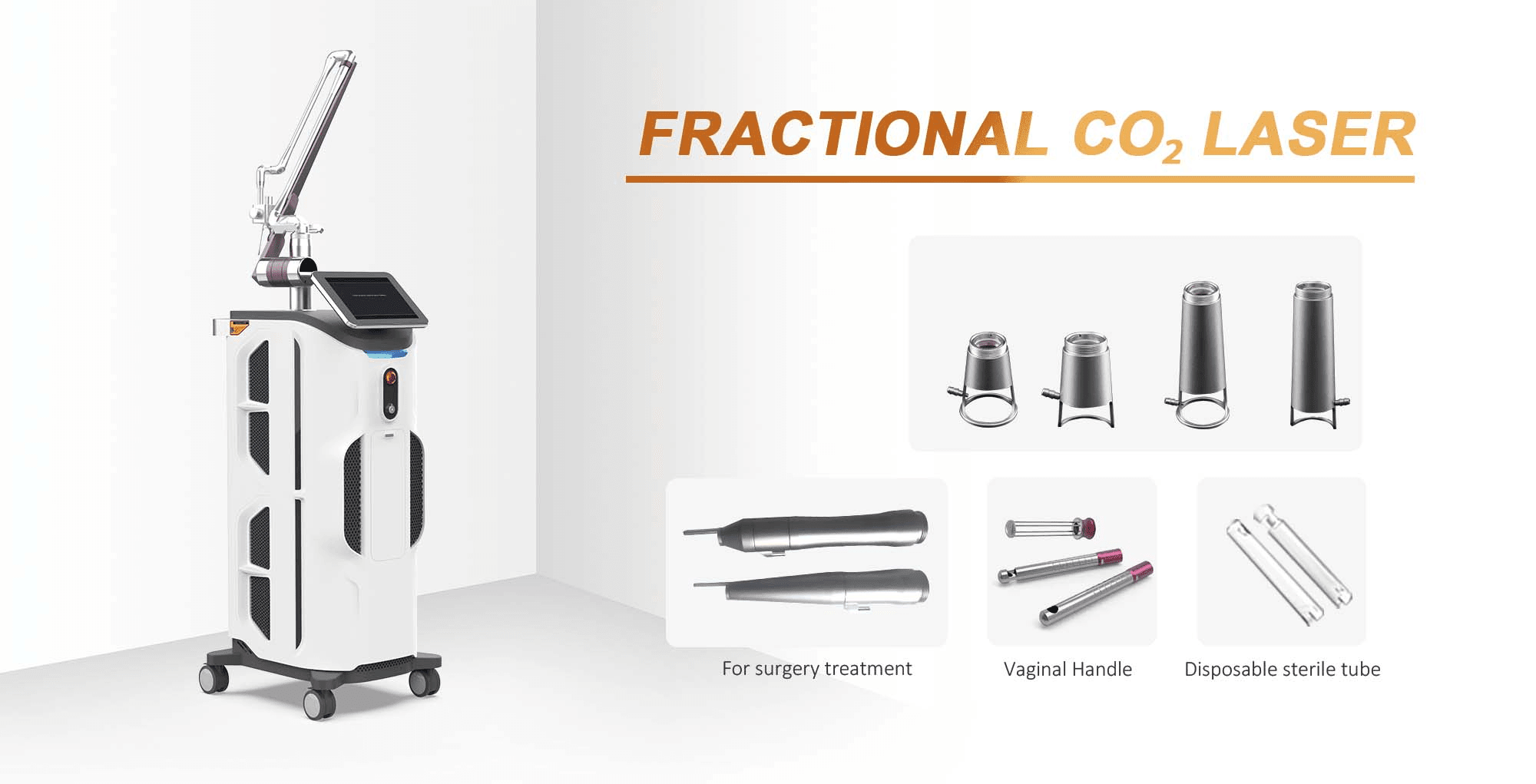
- Laser Treatments: Procedures using sub-dermal heat can relax connective tissue and stimulate new collagen. High-end systems like the CO2 Fractional Laser from Lefis Laser are excellent for improving overall skin thickness and elasticity.
- Acoustic Wave Therapy: Uses sound waves to break up the tension in the connective tissue cords.
- Subcision: A minor surgical procedure where a needle-like device is used to physically "snip" the tight cords pulling the skin down.
- Mechanical Vibration (BTL Cellutone): Uses vibrations to increase oxygen flow and blood supply to the area.
Home Remedies & Prevention
- Strength Training: Building muscle under the fat helps "fill out" the area making the skin on top look smoother.
- Hydration: Water keeps your skin plump and the connective tissue supple.
- Balanced Diet: Lowering salt intake reduces water retention which can make cellulite look less swollen.
- Massage: While temporary massage and dry brushing can improve lymphatic drainage and blood flow.
Conclusion
Cellulite is a normal non-dangerous reflection of how our bodies are built. It is a combination of fat distribution collagen structure and the natural aging process. Whether you choose to embrace your "orange peel" texture or seek out clinical treatments like those offered by Lefis Laser the most important thing is feeling comfortable in the skin you are in.
Frequently Asked Questions
Does losing weight get rid of cellulite?
Weight loss can make cellulite less noticeable by reducing the volume of fat pushing against the skin. However because the connective tissue is still there even very thin people can have cellulite. In some cases losing weight too quickly can lead to loose skin which may actually make dimples look deeper.
What does cellulite look like on the thighs specifically?
On the thighs cellulite often looks like long wavy ripples or small deep pits. It is usually most visible on the back of the hamstrings or the outer "saddlebag" area especially when walking or wearing tight clothing.
Can men get cellulite?
Yes about 10% of men have cellulite. It usually appears on the abdomen or thighs. However because men have a "criss-cross" connective tissue structure and higher testosterone (which helps burn fat) it is much less common than in women.
Are there any "miracle" creams that work?
Most creams only provide temporary results by hydrating or slightly "swelling" the skin surface to hide dimples. There is little scientific evidence that a cream can reach the deep fat layers to permanently remove cellulite.
Why does my cellulite look worse as I get older?
As you age your skin produces less collagen and elastin. This causes the skin to become thinner and more fragile. Thinner skin cannot hide the fat lobules as well as thick youthful skin making the "cottage cheese" texture more prominent.
Is cellulite under the skin permanent?
The underlying structure (the way your fat and fiber are arranged) is mostly permanent but the visibility is not. Through a combination of exercise skin-tightening treatments and healthy habits you can significantly reduce the appearance of those dimples.


Looking for something else?
Diode Laser Machine Cost & Pricing Factors
LEARN MORE
What are the best lasers for tattoo removal
LEARN MORE
808/810 vs Triple-Wavelength (755/808/1064)
LEARN MORE
Diode Laser Buyer’s Guide for Clinics
LEARN MORELooking for something else?
HIFU vs Ultherapy: Technology & Results
LEARN MORE
HIFU Facial: Results, Protocols & Downtime
LEARN MORE
HIFU Machine Cost & ROI for Clinics
LEARN MOREYou may also like

Further reading

OEM vs ODM Beauty Equipment: Which Model Is Better for Aesthetic Device Businesses?

Non-Surgical Skin Tightening Machines: RF vs HIFU vs Laser Explained

RF Microneedling Devices Guide: How to Choose a Professional Machine?