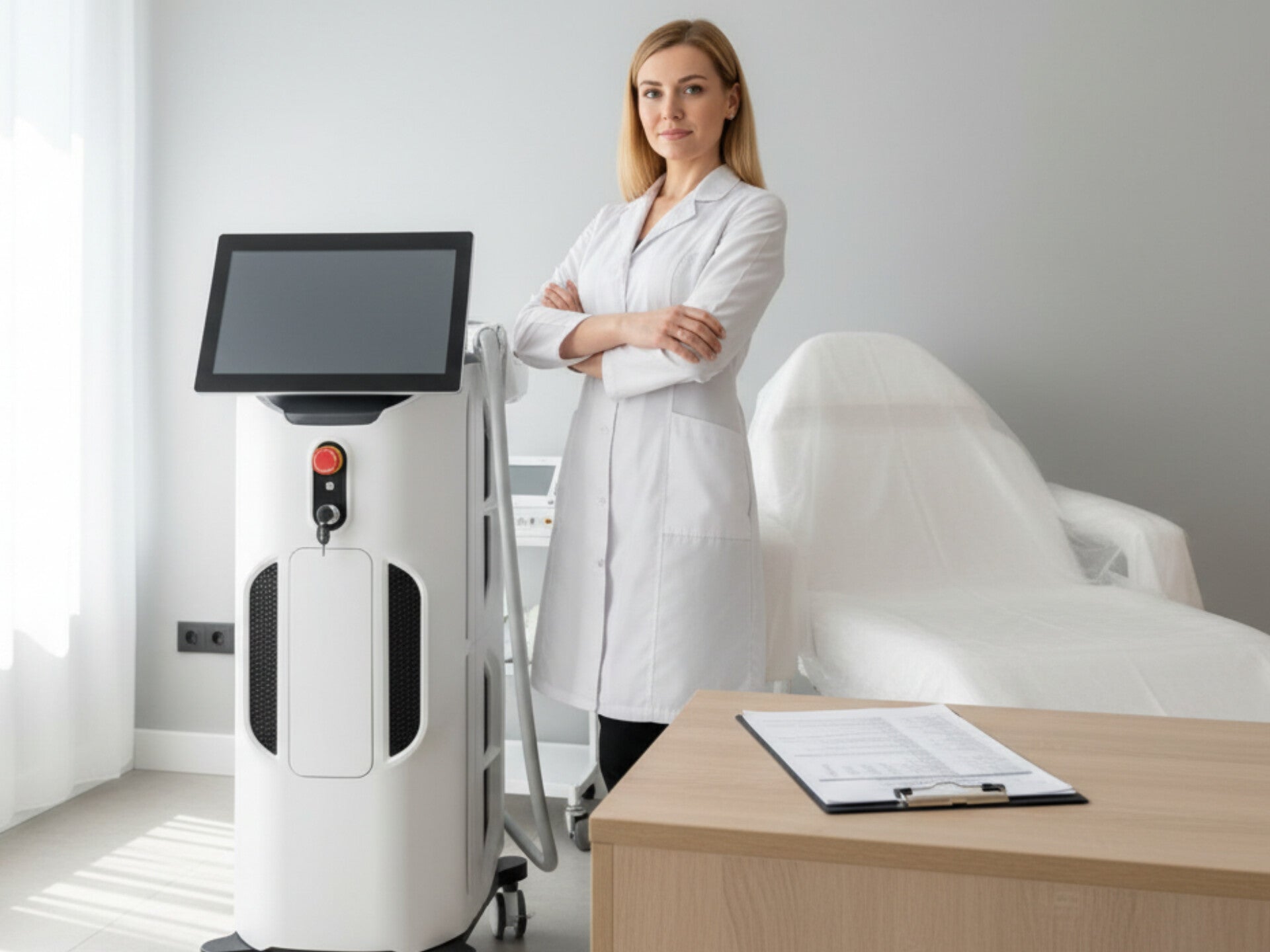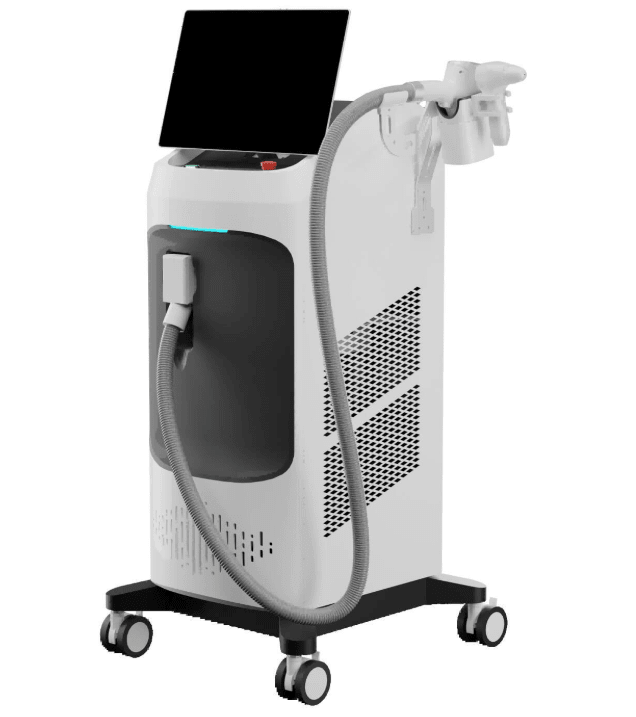
Professional Diode vs Home Devices: What Actually Changes Results
Consumers see the same promise on every box and clinic brochure: “permanent hair reduction.” But professional diode systems and at-home light devices are not interchangeable. They differ in power delivery, pulse control, spot size, cooling, skin typing, and—crucially—who is steering the settings. This clinic-first, buyer-friendly guide breaks down the real-world differences so you can set expectations, design safer protocols, and decide when to keep care in-house and when to refer out.
At-home devices (usually IPL) can reduce hair but are slower, smaller-area, and more restricted in energy delivery. Professional diode platforms are purpose-built for faster, deeper, and more consistent reduction across more skin types—when used by trained operators with good cooling and screening.
The tech under the hood (and why it matters)
Professional diode (typically 800–810 nm; sometimes tri-wavelength 755/810/1064 nm).
A laser is monochromatic and directional. Diode hair-removal systems deliver controlled fluence and pulse widths that target the hair follicle and bulge while sparing epidermis when cooling is effective. Larger spot sizes keep energy more uniform in tissue and speed coverage—one reason a full pair of legs can be treated in a single appointment.
Home devices (mostly IPL; a few low-power diodes).
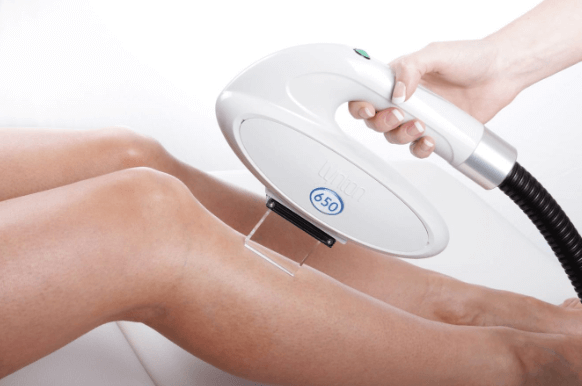
IPL is broadband flashlamp light, filtered for hair reduction. To keep home devices safe, regulators and manufacturers limit energy, window size, and duty cycle. That makes them slower per square centimeter and more dependent on high contrast (light skin, dark hair). Many “laser at home” products are not true lasers; they’re IPL handsets cleared for over-the-counter use.
Bottom line: Laser vs light isn’t just semantics; it’s about how precisely energy hits melanin in the follicle—and how efficiently you can treat larger areas without overheating the skin.
Power, pulse, and spot size: the speed & efficacy trio

Power/fluence & pulse control.
Clinic systems can deliver higher fluence with tunable pulse durations matched to hair thickness and depth. That flexibility improves follicular damage while reducing collateral heat in epidermis. Home devices cap output; some offer only coarse steps, which means many more passes to approach similar reduction.
Spot size.
A larger, well-collimated spot is more efficient in tissue and cuts treatment time. Peer-review shows bigger spots improve clearance (e.g., ~30% efficacy gain in axillae with a 3× larger spot at comparable parameters), illustrating why professional footprints move faster with fewer missed patches.
Heat management (cooling).
Contact sapphire/TEC, chilled tips, and integrated fans on pro units let you deliver therapeutic energy without epidermal injury. Most home devices rely on minimal or passive cooling—fine for low-energy flashes, limiting for coarse hair or darker skin.
Who’s a candidate—and how many sessions?
Professional diode
- Sessions: Most patients need a series; mainstream guidance quotes ~2–6+ clinic sessions (area- and hair-dependent), with maintenance as needed over time.
- Skin types: With correct settings and cooling, diode platforms extend safely into darker phototypes (and tri-wavelength systems broaden options).
- Hair types/areas: Coarse, dense hair (beard, bikini, underarm) responds fastest; finer hair may need more visits or adjunct plans.
Home IPL / low-power diode
- Sessions: Expect more sessions over longer intervals, with maintenance to hold results. Published consumer and clinic sources consistently note higher session counts and smaller coverage per sitting.
- Skin types: Best on light skin + dark hair. Many handsets lock out darker tones or advise against certain areas due to burn/PIH risk.
What to tell patients: Reduction is real in both paths, but clinic diode typically reaches meaningful clearance faster and on more skin/hair combinations.
Safety architecture: training, standards, and supervision

Regulatory status.
Home IPL is cleared OTC with specific intended use and consensus safety standards (e.g., IEC 60601 series for electrical/EMC and laser/optical safety); clinic lasers fall under professional-use indications and facility protocols. Neither path eliminates risk—operator judgment is the difference.
Complication profile.
Common minor events are erythema, perifollicular edema, and transient PIH—more likely with high energy, tanned skin, or mis-typing. Clinic setups manage risk with test spots, real-time skin assessment, eye protection, plume care, and strict sun counseling. Without training, home users can mis-set, overlap excessively, or treat contraindicated skin, raising odds of blistering, burns, or pigmentary change.
Takeaway: Devices don’t keep patients safe—protocols, screening, and cooling do.
Efficiency on the clock: coverage and chair time
Why do full legs often fit in a 30–45-minute clinic slot while a handset may feel endless? Bigger, uniform spots plus higher repetition rates and integrated cooling let clinicians move faster without retracing. Home windows are small to control hazard distance and energy per flash; users must “stamp” area by area, then repeat over many weeks. For busy professionals or large areas, that time cost becomes the deciding factor.
Efficacy evidence in plain language
- Professional lasers: Dermatology guidance cites 10–25% reduction after the first treatment and a multi-session plan for significant, long-term reduction; spot-size and parameter studies back higher efficacy with optimized pro settings.
- Home devices: Modern reviews and 2025 evaluations describe at-home IPL as generally safe and effective for appropriate candidates, yet less potent and slower than professional lasers; darker phototypes require caution and conservative fluence.
Cost realism: device ownership vs patient pricing
For clinics, capex on a diode platform buys speed, coverage, and wider candidacy—factors that support premium pricing and better utilization. For consumers, handsets are attractive up-front but “true cost” includes many more sessions, smaller areas, and maintenance pulses to hold gains. Multiple independent explainers and clinic comparisons converge on that trade-off: time and consistency vs convenience and lower entry price.
Skin-of-color considerations (non-negotiable)
Melanin competes for energy. In phototypes IV–VI—or recently tanned skin—your protocol must prioritize longer wavelengths, lower fluence, effective contact cooling, and longer intervals. Professional diode systems are designed for this nuance; home users may lack both device range and screening skill, increasing burn/PIH risk. When in doubt, refer to clinic.
Practical scenarios: who should choose what?
Large areas, limited time, mixed skin tones
Choose professional diode. You need high throughput, reproducible energy, and cooling that keeps epidermis safe—plus operators who can pivot settings mid-pass.
Small areas, light skin + dark hair, high compliance
A home IPL handset can make sense if the user accepts a longer course, reads the manual, and adheres to sun rules. Good for maintenance between pro courses.
Coarse beard mapping, bikini, or recurrent ingrowns
Professional diode wins on speed and depth. You’re targeting robust follicles in areas prone to irritation; cooling and pulse control matter.
Fitzpatrick IV–VI or recently tanned
Lean professional with conservative parameters—or defer until safe. Many home devices exclude these users for good reason.
Compliance & safety checklist (use this in consults)
For clinics (pro diode):
- Confirm skin type & sun history; document meds, photosensitizers, keloid/PIH history.
- Test spot new areas; adjust pulse width/fluence to hair caliber and density.
- Use contact cooling (sapphire/TEC) and verify intact eye protection for pathe tient/provider.
- Standardize pass overlap; avoid stacking heat on low-melanin skin edges.
- Photograph before/after consistently to show progress and tune parameters.
- Enforce pre/post sun avoidance; delay if tanned.
For home users (what to educate):
- Confirm device compatibility with skin tone/hair color.
- Start low power; never on tanned or irritated skin; never near eyes.
- Shave (not wax) before sessions; no plucking during a course.
- Stick to manufacturer spacing; more flashes ≠ faster clearance.
- If blistering or pigment change appears, stop and seek medical advice.
The marketing myth to retire
”Home devices are the same as clinic lasers.”
Not true. Most home products are IPL with lower energy and tiny windows by design, while professional diode platforms deliver higher, tailored fluence with better cooling and spot size—and they’re operated by trained humans who can respond to skin in real time. That’s why clinic courses typically reach clear outcomes faster with fewer visits.
When to refer out (decision points for salons/spas)
- Darker phototypes, medication photosensitivity, endocrine hair disorders, or history of PIH/keloid → refer to a medical clinic with diode and experienced oversight.
- Large-area debulking (e.g., legs + arms in one plan) where throughput matters → professional diode.
- Non-responders after multiple home/low-energy courses → escalate to a clinic evaluation for settings, diagnosis, or alternative causes.
Building a clinic menu patients understand
Position professional diode as the fast lane to reduction:
- Fewer sessions to meaningful change;
- Works across more skin/hair types with the right parameters;
- Safer in skilled hands with real cooling and spot control;
- Option to tailor pulse widths for coarse vs medium hair and sensitive zones.
Offer maintenance “booster” options and clear sun/interval rules. That transparency beats any “one-and-done” promise.
The buyer’s note (if you’re selecting a platform)
When comparing systems, scrutinize:
- Verified fluence & pulse width ranges at clinical spot sizes (not just max specs);
- Cooling method (sapphire/TEC contact is the workhorse for comfort + epidermal safety);
- Repetition rate under load;
- Handpiece ergonomics and consumables;
- Training for skin-typing, PIH prevention, and photography SOPs;
- Service & warranty clarity.
Frequently Asked Questions
Is professional laser “permanent”?
It’s best called long-term reduction. Many patients enjoy months to years of low regrowth; when hair returns it’s often finer and lighter. Courses and maintenance vary by area and hormones.
How many clinic sessions will I need?
Typical guidance is ~2–6+ sessions, spaced by hair cycle and area. Finer hair and hormonally influenced sites may need more.
Can home devices work?
Yes—especially for light skin + dark hair—if you are consistent. Expect more total sessions, smaller treatment windows, and routine maintenance flashes to hold results.
Is IPL the same as laser?
No. Laser is a single wavelength; IPL is filtered broadband light. Both can reduce hair, but clinic lasers have more precise targeting and parameter headroom in trained hands.
What about darker skin?
Darker phototypes should be evaluated in-clinic. With the right wavelength, cooling, and pulse control, diode treatment can be performed more safely than DIY attempts.
A calm closing thought
Professional diode vs home devices is ultimately a question of control: control over energy, cooling, spot size, and the judgment to pause or pivot when skin says “enough.” Home IPL can absolutely help motivated users, but clinics win on speed, consistency, candidacy range, and safety culture. If you’re a provider, design your consults and consent around these realities—and if you’re a buyer, build your ROI case on throughput and outcomes, not spec sheets alone.


Looking for something else?
Diode Laser Machine Cost & Pricing Factors
LEARN MORE
What are the best lasers for tattoo removal
LEARN MORE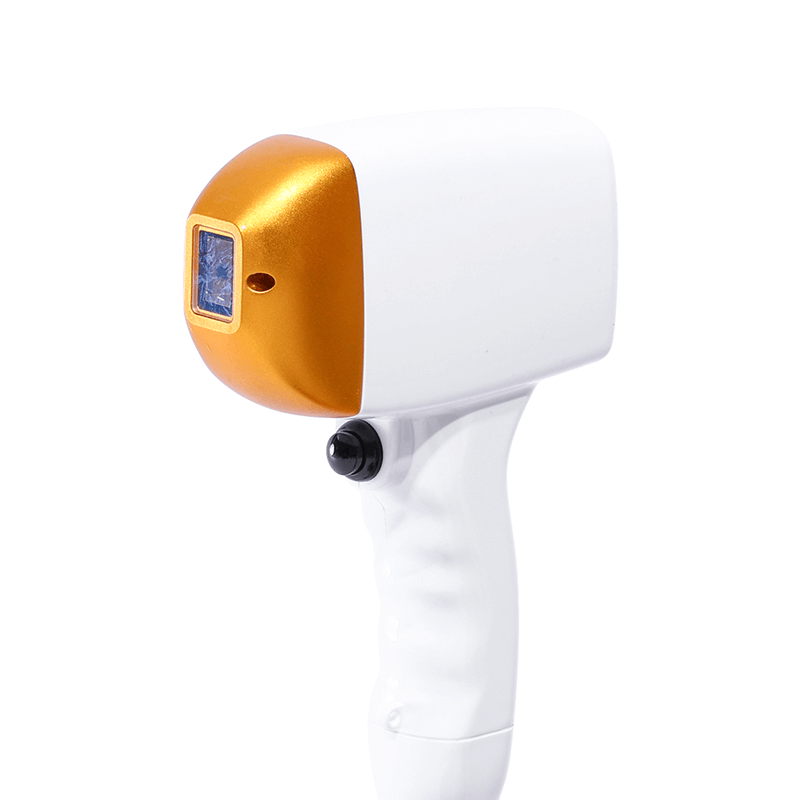
808/810 vs Triple-Wavelength (755/808/1064)
LEARN MORE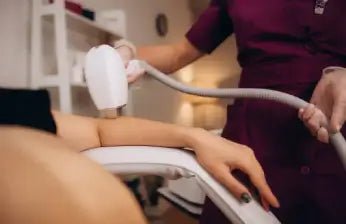
Diode Laser Buyer’s Guide for Clinics
LEARN MORELooking for something else?
HIFU vs Ultherapy: Technology & Results
LEARN MORE
HIFU Facial: Results, Protocols & Downtime
LEARN MORE
HIFU Machine Cost & ROI for Clinics
LEARN MORE


Further reading
OEM vs ODM Beauty Equipment: Which Model Is Better for Aesthetic Device Businesses?
Non-Surgical Skin Tightening Machines: RF vs HIFU vs Laser Explained
RF Microneedling Devices Guide: How to Choose a Professional Machine?