Pico Laser Cost & Session Economics
If you're evaluating picosecond laser cost for your clinic—or deciding how to price sessions—this guide distills the essentials: device pricing , ongoing costs, realistic pico laser cost per treatment for patients, and simple ROI math you can copy. We'll also cover how case mix (tattoos vs. pigment vs. toning) changes margins, and we'll close with clear answers to the questions people ask most.
This is an educational benchmark—not financial or medical advice. Always confirm prices with suppliers and set clinical protocols appropriate to your device and patient population.
TL;DR (one‑minute)
- Device pricing (what owners pay): Used picosecond platforms frequently trade in the mid‑five to low‑six figures . Recent market snapshots: a leading picosecond platform shows average used price ≈ $52,511 (range about $7,500–$98,465) ; another dealer lists PicoSure systems at ~$60,000–$90,000 used ; Discovery Pico used units commonly quoted ~$50,000–$85,000 . New systems are typically six‑figure investments.
- Maintenance: After warranty, plan ~8–10% of purchase price per year for a full service contract; a dermatology journal review cites ~5–7% for labor‑only and ~22% for “all‑parts” annual maintenance contracts.
- Patient pricing (what you can charge): For tattoo removal , US consumer data and clinics commonly quote ~$300–$800 per session (size & color dependent); broader tattoo‑removal averages across devices hover around $623 per session; rejuvenation/toning sessions often price ~$400–$1,000+ depending on area and market.
- Why pico (vs. nanosecond/Q‑switched): Shorter pulses (picoseconds) deliver a stronger photoacoustic effect—especially helpful for blue/green ink and some refractory pigments—often with fewer sessions than nanosecond platforms, though outcomes vary by color, depth, and skin type.
1) The hardware side: picosecond laser cost for acquisition

Used-market signals (2024–2025 snapshots)
- PicoWay (marketplace data): Avg $52,511 ; range ~$7,500–$98,465 across configurations and condition. That spread reflects year, hours, handpieces, and seller quality.
- PicoSure (dealer guidance): ~$60,000–$90,000 used is a commonly quoted band.
- Discovery Pico (dealer blog): ~$50,000–$85,000 used per April 2025 pricing note.
Why the wide range? Pulse configuration, wavelengths available (eg, 1064/532/755 or 694), fractional/“focus” optics, hours, service history, and included training/accessories.
New systems
Manufacturers don't publish list prices broadly, but picosecond platforms are generally six‑figure capital purchases when new. Many clinics offset the upfront with financing or introductory bundles that include training and service. (Use the ROI section below to frame monthly realities.)
Ownership checklist before you wire funds
- Service proof & error logs (for used)
- Training (onboarding + protocols for tattoos vs. benign pigment vs. textural “focus” optics)
- Handpiece inventory (verify fractional/diffractive optics if you intend to perform toning/texture)
- Electrical/chiller requirements (if applicable)
- Loaner or priority response terms in your service plan
2) Ongoing costs (that shape payback)
- Service & maintenance: Expect ~8–10%/year of purchase price for comprehensive coverage after warranty; academic dermatology sources describe ~5–7% for labor maintenance and ~22% for all‑parts annual maintenance contracts. Choose predictable uptime over gambling on pay‑per‑call repairs.
- Consumables: Minimal compared with ablative resurfacing systems (no tips or cartridges per shot). You'll still budget for patient eyewear , cooling , photography, and disposables.
- Insurance & compliance: Coverage for laser operations (and any landlord/radiation/laser safety requirements in your region).
- Marketing & photography: Expect initial spend to launch before/after assets and pipeline—low cost per patient over time, but real at launch.
3) What patients pay: pico laser cost per session in the market
Tattoo removal (per session):
- Broad US averages across laser types center near $623 per session (patient‑reported), with large tattoos costing more.
- Picosecond‑specific guidance and 2025 clinic posts commonly list ~$300–$800 per session depending on size, color mix, and city. (Smaller, single‑color pieces sit at the low end; large, multicolor work is higher.)
Pigment/toning (non‑tattoo):
- Consumer pages and clinic menus show ~$400–$1,000+ per session for full‑face picosecond toning or pigment treatments, with metro clinics sometimes higher (and packages discounted).
Why the spread? Size/area, number of colors, ink depth, body location, device mix (pico vs. nanosecond), and provider type all move the price.
4) Why choose pico at all? (A quick physics refresher)

Picosecond pulses (10⁻¹² s) emphasize photoacoustic shock to fragment pigment; nanosecond/Q‑switched pulses (10⁻⁹ s) are more photothermal + photomechanical . In practice:
- Blue/green inks & recalcitrant tattoos: Multiple dermatology resources note that picosecond (often 755 nm alexandrite , plus 1064/532 nm Nd:YAG options) can clear difficult hues faster or after stagnation with Q‑switched sessions.
- Benign pigment: Picosecond platforms are widely used for lentigines and other pigment disorders; selection still depends on skin type and target depth.
Bottom line: Many clinics run both (Q‑switched and pico), starting with 1064 nm for safety in darker skin and layering in picosecond wavelengths/colors as needed. Your cost structure benefits if pico reduces total sessions for certain cases—especially blue/green multicolor tattoos.
5) Session economics: simple, transparent ROI math
The math below is illustrative —plug in your own fee, volume, and payroll. Device payments assume 60‑month financing.
Monthly note (illustrative payments)
- $80,000 financed at 8–12% APR → ≈ $1,622–$1,780/month
- $100,000 financed at 8–12% APR → ≈ $2,028–$2,224/month
-
$150,000 financed at 8–12% APR → ≈ $3,041–$3,337/month (You'll add a service plan from year two forward—use 8–10%/yr as a planning number.)
A) Tattoo‑first studio (balanced pricing)
Assumptions (example):
- Average tattoo session price: $450 (mix of small/medium pieces), consistent with national ranges.
- Variable per case: ~$40 (consumables + photography + small numbing supplies; pico has no costly disposables)
- Monthly volume: 40 sessions (≈10 per week)
Contribution math (month, in‑warranty): (450 − 40) × 40 − $1,700 ≈ $13,300
Add service (year two at 8% on $100k ≈ $667/mo): New monthly ≈ $12,633 (before rent/overhead).
Reality check: Larger tattoos or stubborn colors will need more visits; your margin improves if you can command higher per‑session fees for complex multicolor work.
B) Mixed pigment & rejuvenation clinic (higher ticket, lower volume)
Assumptions (example):
- Pigment/toning average: $700 (full‑face or larger areas—within typical clinic menus).
- Variable per case: ~$60
- Monthly volume: 20 sessions (5 per week)
Contribution (month, in‑warranty): (700 − 60) × 20 − $2,000 ≈ $10,800
Year two (add ~8% service on $120k ≈ $800/mo): ≈ $10,000 contribution before overhead.
C) Pico as an add‑on (already own Q‑switched)
Many practices keep Q‑switched 1064/532 as the workhorse (especially for darker skin and black/red inks) and add pico primarily for blue/green and recalcitrant fragments. In this blended model, pico sessions can be priced premium for problem colors, raising ARPU (average revenue per user) without cannibalizing starter sessions.
6) Pricing your menu (so it's defensible)
- Publish bands, personalize quotes: For tattoos, post size‑based tiers with color surcharges; for pigment, publish area‑based pricing, then tailor to complexity. Back your quotes with clear before/after timing and expected session counts.
- Use packages strategically: For tattoos, consider 3‑ or 5‑packs with modest discounts; for toning/texture series, bundle 3–4 visits.
- Explain value, not just price: Why 1064 nm is safest for darker skin; why 755 nm pico helps with green/blue; why spacing matters for clearance.
7) Safety, spacing & expectations (the quiet margin savers)
- Intervals: Typical windows are 6–8+ weeks for tattoo removal and 2–6 weeks for many pigment indications; this supports immune clearance and reduces complications that derail schedules.
- Skin of color: Favor 1064 nm first, conservative fluence, and strict photoprotection to reduce PIH.
- Pigment recurrence: Lentigines can return with sun ; counsel that maintenance or repeat sessions may be needed. (Tattoo removal, once achieved, is typically permanent, though faint residues can remain.)
- Complications to discuss: transient erythema, edema, blistering, crust; PIH risk (higher with visible wavelengths and higher Fitzpatrick types); paradoxical darkening risks in cosmetic inks (iron oxide/TiO₂) when treating makeup tattoos.
8) When pico makes the biggest financial difference
- Green/blue multicolor tattoos: Picosecond 755 nm often accelerates clearing vs. nanosecond alone—shrinking total chair time per case and freeing slots for new bookings.
- Recalcitrant fragments after many Q‑switched sessions: A pulse‑width change (to pico) is frequently the turning point. Literature and reviews support this strategy.
- Pigment with low downtime tolerance: Picosecond platforms are popular for benign pigment where patients want shorter social downtime than ablative options, improving conversion and adherence.
9) Build your launch checklist (step‑by‑step)
- Clarify your case mix: % tattoos vs. pigment vs. toning.
- Shortlist devices that wavelength matches you'll actually use (1064/532 for black/red; 755 for blue/green; optional 694).
- Decide financing vs. cash and insist on written training + onboarding.
- Price transparently: size‑ or area‑based menus with package options.
- Operationalize spacing & photography: standard angles/lighting; shoot at baseline and 8–12 weeks after key visits.
- Service plan: budget 8–10%/yr of purchase price; confirm response times and loaner policies.
Explore platforms & options: See our picosecond lineup and wavelength coverage.
People also ask (clear, concise answers)
How much does Pico laser treatment cost?
In US clinics, picosecond sessions often run ~$300–$800 for tattoo removal (size & color dependent). Consumer averages across all tattoo‑removal methods land near $623/session ; full‑face toning/pigment visits commonly price ~$400–$1,000+ by market.
How much should a Pico laser cost?
For device pricing , used picosecond systems commonly list ~$50,000–$90,000+ depending on model/year/handpieces; some marketplace averages show ≈$52k with a wide range, and premium configurations can exceed $100k . New purchases are typically six‑figure .
Is the Pico laser worth it?
For the right indications , yes. Dermatology resources note picosecond lasers are especially helpful for blue/green and recalcitrant tattoos and are widely used for benign pigment—often with fewer treatments and less downtime than nanosecond systems. Patient‑reported costs for Pico‑branded treatments commonly sit ~$400–$600 per session (area‑dependent).
How long will Pico laser last?
Tattoo removal is typically permanent once clearing is achieved (residual ghosting can occur). For sun‑induced pigmentation , spots can recur with UV exposure , so results depend on sun habits; maintenance may be needed.


Looking for something else?
Diode Laser Machine Cost & Pricing Factors
LEARN MORE
What are the best lasers for tattoo removal
LEARN MORE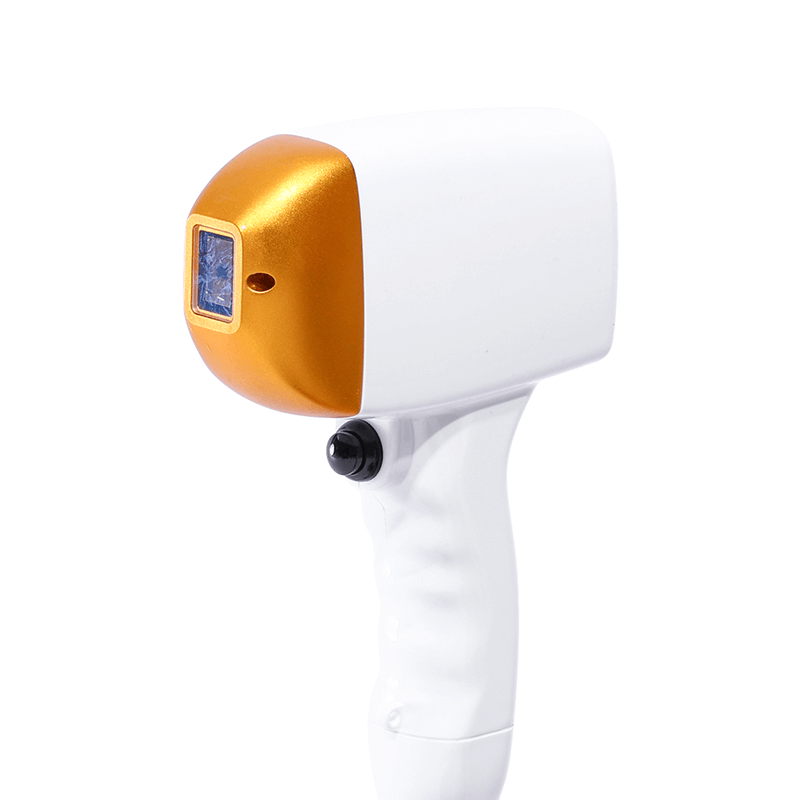
808/810 vs Triple-Wavelength (755/808/1064)
LEARN MORE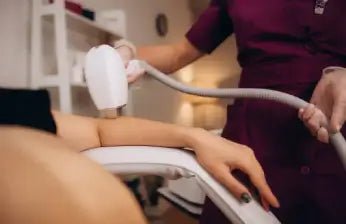
Diode Laser Buyer’s Guide for Clinics
LEARN MORELooking for something else?
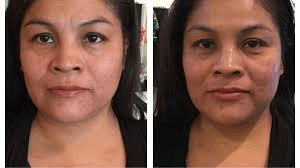
HIFU vs Ultherapy: Technology & Results
LEARN MORE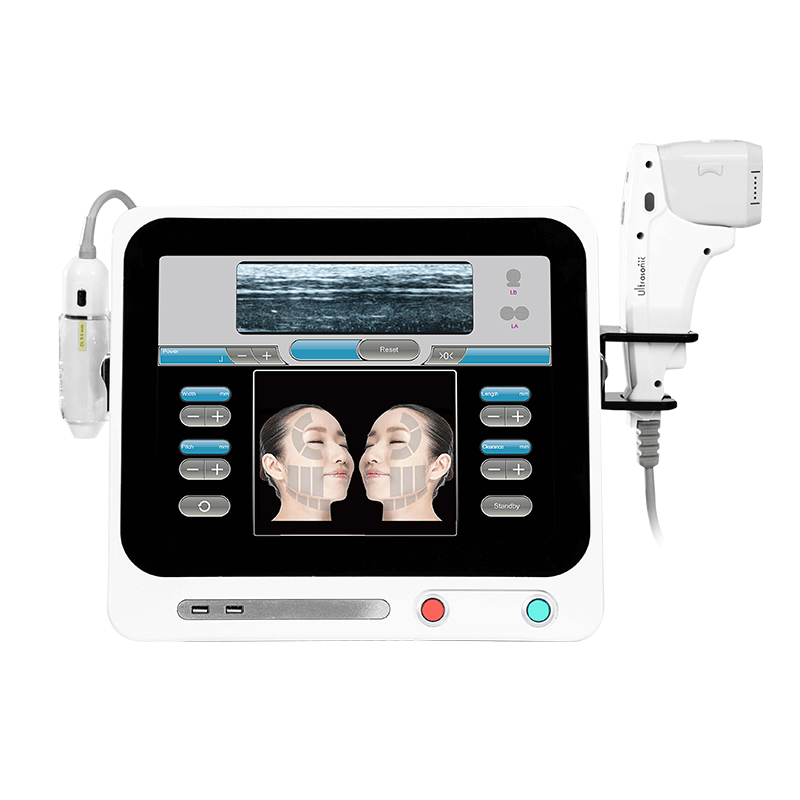
HIFU Facial: Results, Protocols & Downtime
LEARN MORE
HIFU Machine Cost & ROI for Clinics
LEARN MORE


Further reading
OEM vs ODM Beauty Equipment: Which Model Is Better for Aesthetic Device Businesses?
Non-Surgical Skin Tightening Machines: RF vs HIFU vs Laser Explained
RF Microneedling Devices Guide: How to Choose a Professional Machine?