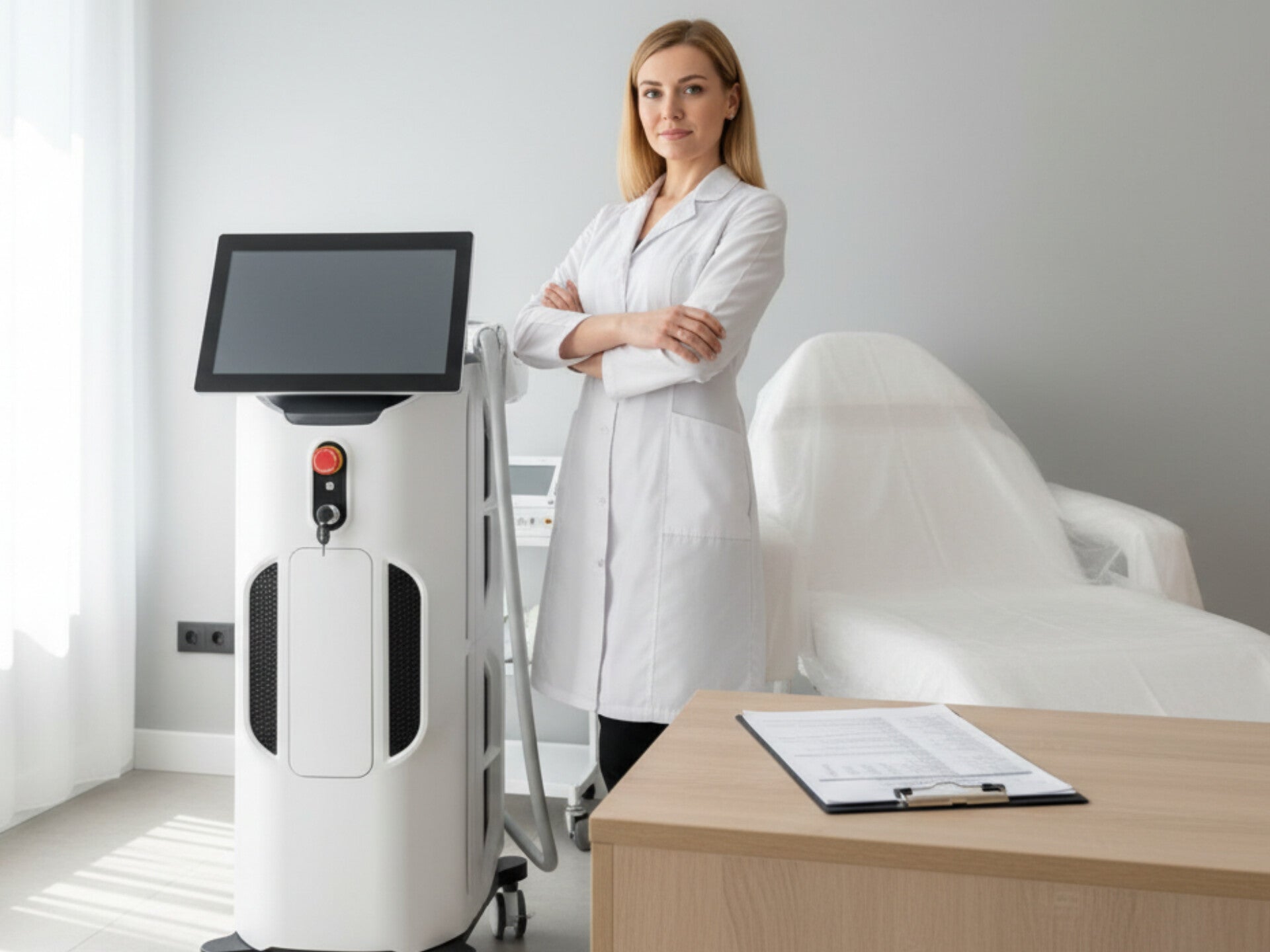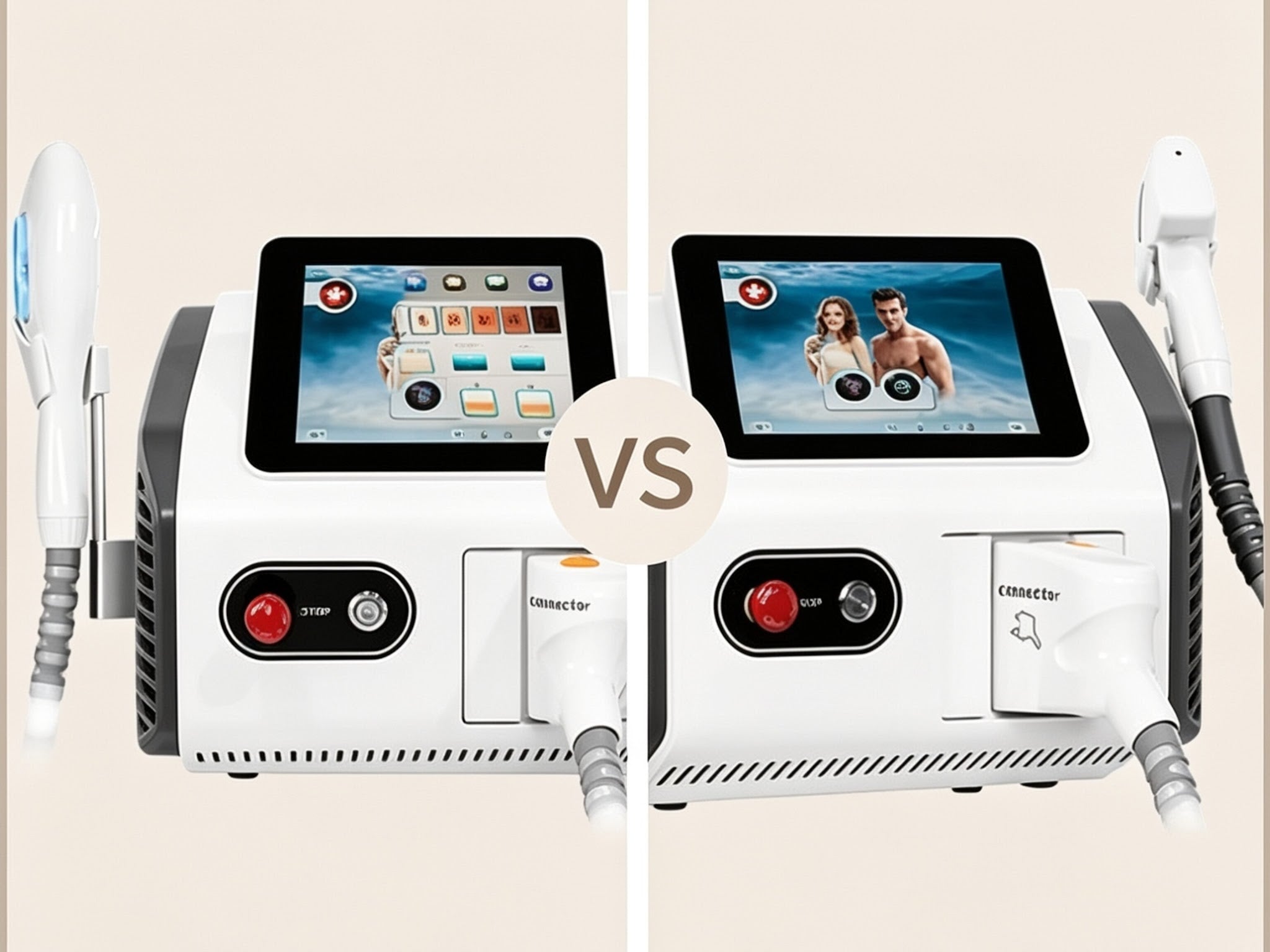
IPL vs Diode Laser Hair Removal: Which Technology Is Better for Clinics?
13 min read · Updated May 2026
Imagine buying an IPL platform in 2019 because it was $11,000 cheaper than the diode quote you had already received on your desk. Two years later, the treatment retention of your clinic seems to have collapsed. About 60 percent of your booked patients drop out before completing a full course. Half of them complained that their hair grew back too fast. The other half got patchy pigmentation that took six months to fade. You then replace the IPL with a triple-wavelength diode in early 2022. Your retention rate would sit at around 87% today.
This is the cost of choosing wrong. The diode versus IPL question is not a tie. It is not a matter of preference. It is a clinical and operational decision with real consequences for patient outcomes, clinic revenue, and reputation. Both technologies have a place. They are not interchangeable.
This guide walks through the actual differences, where each technology earns its keep, and which one fits your patient demographic. We will run three comparison tables covering technical specifications, clinical performance, and business economics. For clinics serious about hair removal as a core service, our diode laser hair removal machines collection covers single-wavelength workhorses through triple-wavelength professional platforms. But the right choice depends on your patient mix — read the analysis below before you commit.
The Core Difference in One Sentence
A diode laser fires one specific wavelength of coherent light tuned to melanin absorption. An IPL device fires a broad spectrum of incoherent light across many wavelengths. That single distinction drives every downstream difference — efficacy, safety, sessions needed, skin tone compatibility, patient comfort, and ROI.
Marketing copy often blurs this. IPL gets sold as “laser hair removal” in consumer settings, which it is not. Calling IPL a laser is like calling a flashlight a spotlight. Both produce light. They do very different things with it.
How Diode Laser Hair Removal Works

Diode lasers shoot one narrow wavelength, usually 808-810 nm, directly through the skin. This wavelength is chosen because melanin absorbs it well, but the surrounding skin tissue absorbs it not so well. The energy penetrates into the hair follicles and is absorbed by the pigment in the hair shaft and bulb, causing it to heat up, and destroying the part of the hair follicles that produces new hair. This process is called selective photothermolysis. The laser locks onto melanin inside the hair shaft and bulb. Surrounding skin absorbs almost none of the energy, which is what allows the diode to disable the follicle without burning the tissue around it.
Most modern diode platforms add cooling at the contact surface. Sapphire tips chilled to around 0 to 5 degrees Celsius press against the skin during each pulse. The cooling keeps the epidermis in check with the heat generated during treatment but also allows you to deliver enough fluence to do damage to the follicle. If cooling is not used, the same energy that is used to kill the follicle also burns the skin. It makes patients feel a "snap of heat" and they walk out.
Multi-wavelength diode platforms have 755 nanometer (good for fine, light hair on lighter skin) and 1064 nanometer (Nd:YAG – deeper penetration, safer for darker skin tones).
The 755 NM (ideal for treating lighter-skinned, fine-haired individuals) and the Nd:YAG (1064 NM, ideal for deeper penetration and greater safety for people with darker skin) wavelengths were created for this laser. They are not just added features to promote sales. Each wavelength has its own absorption curve and therefore treats different patient profiles much more safely.
How IPL Hair Removal Works

An IPL device uses a xenon flash lamp that emits broadband light across roughly 500 to 1200 nanometers. Cut-off filters trim the shorter wavelengths, so each pulse delivers a mixed band of light rather than the narrow, single-wavelength beam a laser produces. Due to filters removing the lower end of this wavelength range, the output is limited; therefore, an IPL will produce a spectrum of colors throughout its flash instead of a narrow beam of white light. By absorbing and converting heat from the IPL, the melanin in the hair follicle can use the light energy present in the spectrum to damage the hair follicle and, as a result, reduce both hair growth and site irritation.
A significant amount of the energy from an IPL device will not stay on the spot you're trying to treat, but it can also hit nearby surfaces such as melanin on the surface of the skin, blood vessels, and water in the dermis. This is why IPL tends to cause more skin pigment reactions in darker skin. The broadband light cannot distinguish between melanin in the hair and melanin in the epidermis the way a single-wavelength diode can.
IPL platforms typically run lower peak power than diode platforms. That sounds bad, but it is part of why IPL is cheaper, easier to operate, and lower-risk in lighter-skinned populations. The cost is in treatment efficiency. Multiple treatment sessions are usually needed to achieve the same results, and/or most probably do not get the job done at all.
Table 1: Technical Comparison
The specifications side-by-side:
|
SPECIFICATION |
DIODE LASER |
IPL |
WHY IT MATTERS |
|
Light type |
Coherent, single wavelength |
Incoherent, broad spectrum |
Precision of energy delivery |
|
Wavelength |
808/810 nm (+ optional 755 and 1064 nm) |
500–1200 nm filtered range |
Tissue selectivity |
|
Peak power |
Up to 1600 W per handpiece |
Typically 300–600 W equivalent |
Treatment fluence available |
|
Pulse duration |
5–400 ms adjustable |
Generally fixed 10–40 ms range |
Safe parameters across skin types |
|
Cooling system |
Sapphire contact, TEC, or hybrid |
Limited or none on entry models |
Patient comfort and burn risk |
|
Spot sizes |
8×8 to 20×10 mm typical |
Larger filtered windows (15×50 mm) |
Treatment speed vs precision |
|
FDA classification |
Class IV laser device |
Class II light device |
Operator training requirements |
Two takeaways from this table. First, diode platforms cost more upfront because they are technically more sophisticated devices. Second, IPL's larger spot size is genuinely useful for full-leg work, but the lower fluence and lack of pulse-width control limit what you can actually clear in those large windows.
Clinical Outcomes: Where Diode Pulls Ahead

The dermatology literature is consistent on this. Across long-term hair reduction studies, diode lasers outperform IPL on every measurable outcome that matters to a clinic: clearance rate, sessions needed, patient satisfaction, and complication rate. The gap is largest in coarse, dark hair and in patients above Fitzpatrick III.
Sessions Needed for a Full Course
A typical diode protocol runs 6 to 8 sessions spaced 4 to 8 weeks apart. Patients see 70 to 90 percent hair reduction by session 6 on suitable hair and skin. An IPL course on the same patient usually runs 10 to 12 sessions for the same result, and stubborn hairs often never clear. That is four extra appointments per patient. From a booking perspective, more sessions per patient sounds like more revenue, but in practice it means lower per-patient profit because each appointment carries the same room and labor cost while patient satisfaction drops as they wait for results that come slowly.
Skin Tone Safety
Diode at 808 nm safely treats Fitzpatrick I through IV with standard settings. With 1064 nm added, the safe range extends through Fitzpatrick VI. IPL is genuinely safe only on Fitzpatrick I through III. Push it onto Fitzpatrick IV and above and the broadband light starts hitting epidermal melanin hard enough to cause hypopigmentation, hyperpigmentation, or burns. We have seen clinics in mixed-population markets settle six-figure compensation cases over IPL burns on darker-skinned patients.
Hair Type Range
Diode handles medium to coarse dark hair reliably. With 755 nm available, fine and lighter hair also responds. IPL works well only on dark coarse hair with high contrast against light skin. Anything fine, light, gray, white, or red is essentially untreatable by either technology, though diode platforms with optimized settings get closer to results than IPL ever will.
Long-Term Reduction
Both technologies produce permanent hair reduction, not removal. Both require maintenance sessions every 12 to 24 months for most patients. The difference: diode patients retain about 80 to 90 percent of their reduction at the two-year mark. IPL patients typically retain 50 to 70 percent. Hormonal changes and the body's natural shift in follicle activity affect both, but diode's deeper, more selective heating produces more durable follicle damage.
Table 2: Clinical Performance by Patient Profile
Match the technology to the patient. The table below tracks expected outcomes by skin tone and hair type:
|
PATIENT PROFILE |
DIODE OUTCOME |
IPL OUTCOME |
CLINICAL RECOMMENDATION |
|
Fitzpatrick I–II, dark coarse hair |
85–95% reduction in 6–8 sessions |
70–80% reduction in 10–12 sessions |
Either works; diode is faster |
|
Fitzpatrick III–IV, dark coarse hair |
80–90% reduction in 6–8 sessions |
Variable, higher burn risk |
Diode strongly preferred |
|
Fitzpatrick V–VI, dark coarse hair |
Triple-wavelength diode safe with 1064 nm |
Not recommended |
Diode only, with Nd:YAG |
|
Any Fitzpatrick, fine light hair |
Limited response, 50–60% reduction |
Minimal response |
Set expectations carefully |
|
PCOS-related hirsutism |
Effective but requires ongoing maintenance |
Less effective; hair returns faster |
Diode plus endocrine management |
|
Active tan or recent sun exposure |
Postpone treatment 4–6 weeks |
Postpone or risk pigmentation |
Wait either way |
|
Pregnant patient |
Avoid; no safety data |
Avoid; no safety data |
Postpone until postpartum |
This table is the closest thing to a one-page consultation cheat sheet for clinic operators. Print it. Pin it next to your intake station. For deeper pre-treatment guidance, see our laser hair removal preparation guide.
Where IPL Still Earns Its Place
Anyone telling you IPL is dead is selling you a diode. The honest position is that IPL has a narrow but legitimate role.
Multi-Purpose Light Platforms
IPL devices typically handle more than hair removal. The same broadband light, with different filters, treats vascular lesions, sun damage, mild rosacea, and superficial pigmentation. For a clinic that wants a single device to support multiple light-based services and is not focused on hair removal as a primary revenue stream, IPL makes sense.
Lighter-Skinned Clientele in Lower-Volume Markets
A clinic in a market where 90 percent of patients are Fitzpatrick I to III and the practice is small — say, two treatment rooms running at 60 percent utilization — can extract reasonable results from IPL. The price gap matters more in small operations. A $9,000 IPL platform that returns adequate results may beat a $25,000 diode that returns superior results in pure payback math.
Lower Operator Skill Threshold
IPL is harder to mess up. Lower peak power means smaller margin between safe and unsafe settings on suitable patients. A trained but not specialist operator can deliver acceptable results. Diode, especially at higher fluences, demands sharper training. Clinics relying on rotating junior staff sometimes find IPL more forgiving.
The Patient Comfort Reality
Both technologies cause some sensation. The difference is in how clinics manage it. A diode platform with strong sapphire cooling at -5 to 5 degrees Celsius reads as warm tingling for most patients. The areas that are considered sensitive such as the upper lip and the bikini line tend to feel sharper whereas with IPL treatments with no added cooling they will have a sensation like an elastic band snapping against the area being treated.
This matters more than it sounds. Comfort drives session completion. Patients who flinch every pulse drop out of treatment courses early, leaving clinics with unfinished packages and lost revenue. We covered this dynamic in our laser hair removal pain guide.
Table 3: Clinic Business Decision Matrix
Strip away the technology and look at the economics:
|
BUSINESS FACTOR |
DIODE LASER |
IPL |
CLINIC IMPLICATION |
|
Entry capital |
$18,000–$80,000 |
$7,000–$25,000 |
IPL lower initial investment |
|
Sessions per patient course |
6–8 |
10–12 |
Diode finishes faster |
|
Average price per session |
$80–$200 |
$60–$140 |
Diode commands higher pricing |
|
Patient retention through course |
85–90% |
60–75% |
Diode protects package revenue |
|
Treatable Fitzpatrick range |
I–VI with multi-wavelength |
I–III only |
Diode serves broader market |
|
Consumable cost per shot |
$0.002–$0.008 |
$0.001–$0.005 |
Comparable on a per-shot basis |
|
Operator training time |
20–40 hours initial |
8–16 hours initial |
IPL faster to deploy |
|
Payback period (typical) |
4–8 months |
6–12 months |
Diode payback faster if utilized |
These ranges assume average mid-market clinic pricing in 2026. For detailed cost breakdowns by configuration, see our diode laser machine cost guide.
Which Technology Should Your Clinic Buy?

The decision boils down to three questions:
- What is your patient demographic? If you serve Fitzpatrick IV and above in any meaningful volume, diode is the only safe choice.
- Is hair removal a core service or an add-on? Core service means diode. Add-on alongside skin treatments means IPL might fit.
- What is your treatment volume target? Above 100 sessions per month, diode's faster course completion compounds into significantly higher revenue.
There is also a hybrid play. Some larger clinics buy both: a diode platform for hair removal as a dedicated service line, and a separate IPL for vascular and pigmentation work. This is not strictly necessary, but it lets each device do what it does best.
A Quick Decision Checklist
Walk through these four steps before signing any purchase order:
- Map your patient base by Fitzpatrick type. If more than 20 percent sit at IV or above, only a multi-wavelength diode is safe.
- Project your monthly hair removal session volume for the next 24 months. Above 80 sessions a month, diode pays back faster than IPL.
- Decide whether hair removal is a flagship service or a side offering. Flagship means diode. Side offering may justify IPL.
- Price out the five-year operating cost on both options, including consumables, handpiece replacements, and operator training time.
For clinics that work through this checklist and land on laser, our diode laser hair removal machine for clinics range covers single-wavelength entry units through triple-wavelength professional platforms. Pair the spec sheet with our diode laser machine cost guide to model the revenue side honestly before you commit.
Common Mistakes Clinics Make in This Decision
- Choosing IPL purely on lower sticker price without modeling five-year revenue impact
- Assuming IPL handles all skin tones because the brochure says “safe for all skin types”
- Buying IPL for a clientele that includes meaningful Fitzpatrick IV-VI volume and then trying to refund burn cases quietly
- Buying multi-wavelength diode for a patient base that is 95 percent Fitzpatrick II
- Underestimating the consumable and handpiece replacement costs on either platform
- Skipping operator training depth and discovering the gap when a junior staff member burns a patient
- Believing marketing copy that says “diode is dead” or “IPL is just as good” — both claims serve a sales agenda
A Final Word
The IPL versus diode debate is not really a debate at the technical level. Diode is the more selective, more powerful, more versatile technology, and it wins on every clinical outcome that matters when patient demographics include any meaningful diversity in skin tone. IPL is the cheaper, easier-to-operate, narrower-application technology that still has a defensible role in light-skin markets and multi-light-modality clinics.
The right question is not which is better. It is which is better for the patients walking through your door. Run the demographic numbers honestly. Look at your treatment volume targets. Price out the five-year operating cost on both, including handpiece replacements and consumables. Then buy the one whose specs match your actual practice.
For broader background on IPL technology and where it fits, our what is IPL hair removal guide goes deeper into the IPL side of the equation. For patient expectations on results duration, see our article on how long laser hair removal lasts.
FAQs
Which is better, an IPL or a diode laser?
Diode laser treatments provide the patient with improved outcomes and have been studied comparably to IPL. Most patients will require fewer sessions to remove their hair using diode lasers versus using IPL. Patients with darker skin can feel a higher degree of comfort during diode laser hair removal because of the cooling features associated with diode lasers. However, IPL can be used effectively in people with light skin tones or in combination with other light technologies in a clinic that is committed to using multiple types of light for hair removal. But, for serious hair removal, diode laser technology is superior to IPL technology.
Can diodes remove hair permanently?
The FDA calls it “permanent hair reduction.”For patients who have completed a series of 6–8 laser hair removal treatments (with sessions spaced 6–8 weeks apart), 70%–95% of their body hair will be gone. The remaining hairs will be either thin or light. After this initial treatment, results will last a long time if patients receive maintenance treatments every 12–24 months. Regrowth occurs sometimes, particularly in women, due to menstrual cycles and hormone fluctuations.
Which is the most effective laser for hair removal?
The quickest laser for hair removal depends on your skin tone. The best lasers can be determined by which type of patient you are. For Fitzpatrick skin types I–III (light skin), an Alexandrite (755 nm) laser will typically work best/quickest. For mixed populations of Fitzpatrick I–VI patients, a diode laser with 3 different wavelengths (755 nm/diode/1064 nm) will typically be the best/all-around safest.
Does diode laser hurt?
With proper contact cooling, most patients describe diode laser as a warm snap or rubber band sensation. Sensitive areas like the upper lip and bikini line feel sharper. Without cooling, treatments are much more uncomfortable. See our laser hair removal pain guide for a detailed breakdown by treatment area and skin type.
How many sessions of diode laser to remove hair?
Most patients require between 6-8 sessions of the Diode Laser, spaced 4-8 weeks apart for the complete initial treatment. Once the initial series of treatments is complete, patients will typically require 1 maintenance session every 12-24 months to maintain results. For patients with hair growth related to PCOS or other hormonally driven causes, your doctor may recommend more frequent maintenance sessions.
What is the most powerful laser for hair removal?
Power matters less than selectivity and cooling. Modern high-end diode platforms run up to 1600 watts at the handpiece, paired with strong contact cooling. Raw power without cooling is dangerous; raw power with cooling is what enables fast, comfortable, effective sessions. The Candela GentleMax Pro and various high-end Diode platforms can be considered in this category.
Which laser is best for PCOS hair?
In most patients with PCOS-related hirsutism, the Diode Laser is the most effective method of hair removal, especially when treated with triple-wavelength platforms that can successfully target dark, thick hair on dark and light skin types. An important thing to note is that PCOS-related hirsutism has a hormonal component, so while laser hair reduction may successfully reduce excess hair, it is important to address the underlying condition, typically requiring both hormonal management by the doctor and ongoing maintenance laser sessions for the patient. Make sure to set these expectations with your patients during their consultation.
Which is safer, IPL or laser?
The diode laser is the safest lighting option for most types of people, because it has a rather narrow wavelength and a built-in cooling system to keep the skin cool during treatment. IPL uses non-selective absorption of the broadband light by the pigment in the hair and presents a greater risk of burning dark skin (Fitzpatrick III-IV). On suitable light-skinned patients with proper protocols, both technologies are safe when operated correctly. Operator training matters more than technology in any safety conversation.
Will hair grow back after diode laser?
Most people who have had diode laser treatment will see some of their hair regrow over time; however, the regrowing hair will be much finer, slower growing, and harder to see when compared to the pre-treatment hair. The growth of hair can be influenced by hormonal changes, certain medications, and natural aging. Maintenance treatments every twelve to twenty-four months will preserve the long-term effects of the treatment. A very small percentage of patients have experienced near-complete and permanent hair removal in the treatment area(s).
How do Koreans remove facial hair permanently?
Most of the procedures offered at Korean aesthetic clinics for the treatment of facial hair on East Asian skin utilize an Nd:YAG 1064 nm laser because it safely penetrates beyond surface melanin. Many of the diode platforms currently on the market for this application utilize a 1064 nm wavelength. Most treatments are performed with multiple sessions, which are typically accompanied by skin rejuvenation procedures.
Does diode laser tighten skin?
Diode laser systems were not originally intended to be associated with skin tightening, but they may produce a small amount of collagen formation as an incidental result of firing the laser's thermal energy in a controlled environment. For significant skin tightening effects, radio-frequency (RF) microneedling systems, high-intensity focused ultrasound (HIFU) systems, or fractional CO2 laser systems are better alternatives.
Sources
- Laser Hair Removal: OverviewAmerican Academy of Dermatology
- Laser Hair Removal: PreparationAmerican Academy of Dermatology
- Laser Hair Removal: FAQsAmerican Academy of Dermatology
- Laser Hair Removal — Clinical OverviewNCBI Bookshelf · StatPearls
- Laser Hair Removal: What to ExpectMayo Clinic
- Laser Hair Removal: How It Works and What to ExpectCleveland Clinic
- Lasers in DermatologyDermNet NZ
- Hair Removal TechniquesDermNet NZ
- Laser Therapy in Skin of Colour
- Efficacy of Lasers and Light Sources in Long-Term Hair Reduction: A Systematic ReviewPubMed · Journal of Cosmetic and Laser Therapy
- Diode Laser 805 Hair Removal Side Effects in Groups of Various Ethnicities — Cohort Study ResultsPMC · Journal of Lasers in Medical Sciences
- Efficacy and Safety of Hair Removal with a Long-Pulsed Diode LaserPMC · Annals of Dermatology


Looking for something else?
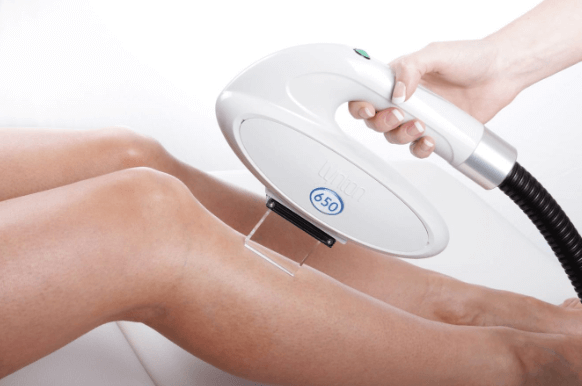
Diode Laser Machine Cost & Pricing Factors
LEARN MORE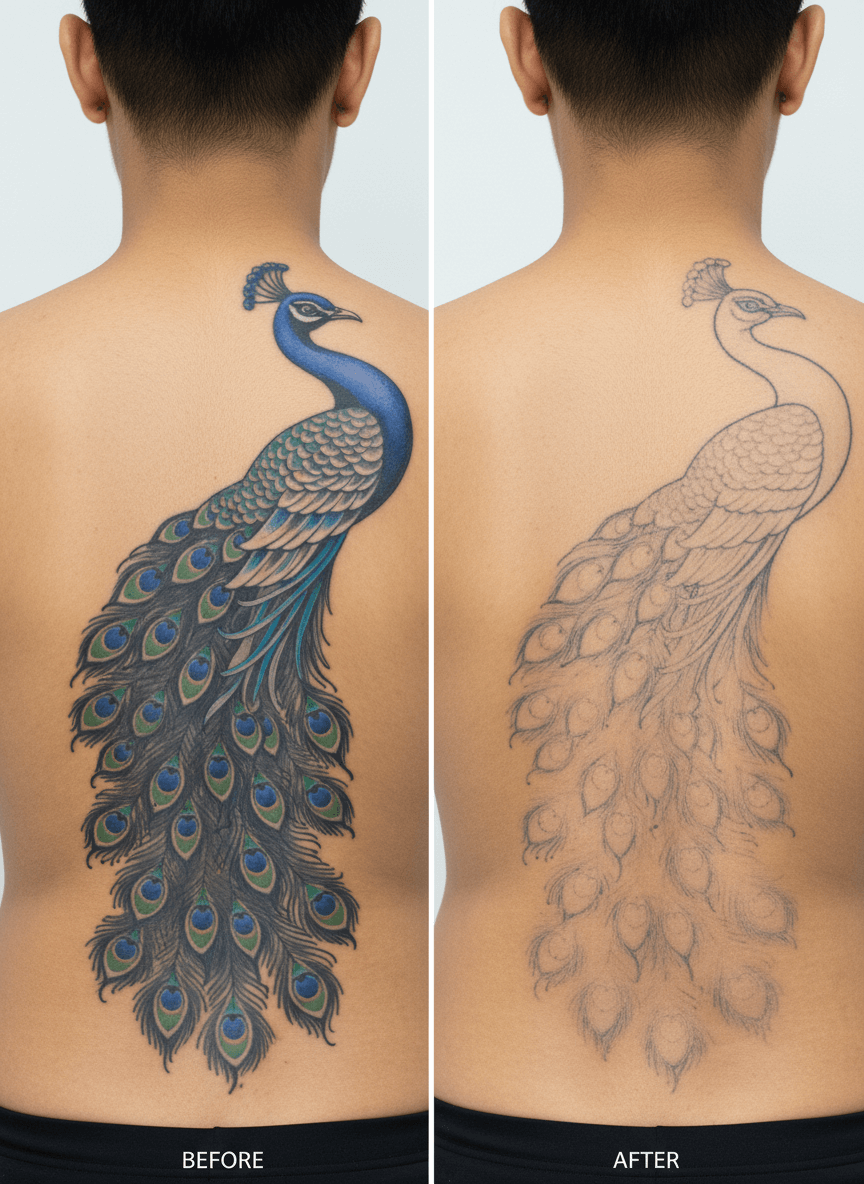
What are the best lasers for tattoo removal
LEARN MORE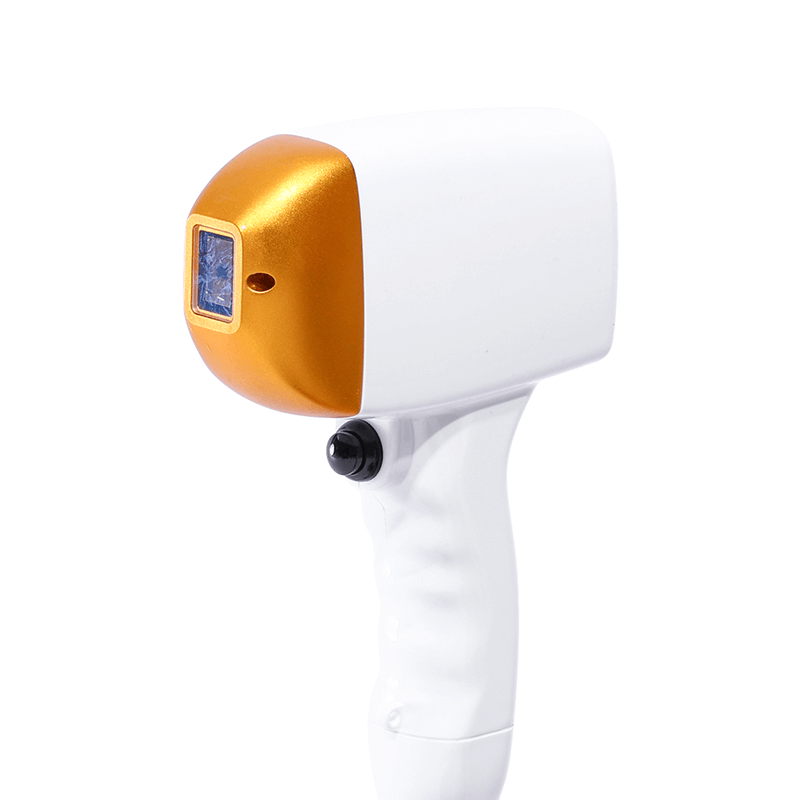
808/810 vs Triple-Wavelength (755/808/1064)
LEARN MORE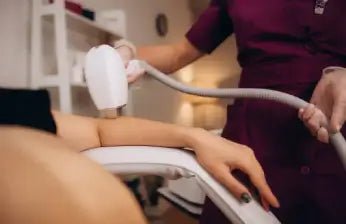
Diode Laser Buyer’s Guide for Clinics
LEARN MORELooking for something else?
HIFU vs Ultherapy: Technology & Results
LEARN MORE
HIFU Facial: Results, Protocols & Downtime
LEARN MORE
HIFU Machine Cost & ROI for Clinics
LEARN MOREYou may also like


Further reading
OEM vs ODM Beauty Equipment: Which Model Is Better for Aesthetic Device Businesses?
Non-Surgical Skin Tightening Machines: RF vs HIFU vs Laser Explained
RF Microneedling Devices Guide: How to Choose a Professional Machine?