Is Intense Pulsed Light (IPL) Safe? Risks. Side Effects & Expert Precautions
In the pursuit of "glass skin" and permanent hair reduction. Intens Pulsed Light (IPL) has become a household name. Often referred to as a "photofacial." this technology promises to erase years of sun damage. calm rosacea. and eliminate the need for daily shaving all without a single surgical incision.
However. as IPL devices move from high-end clinical settings into local spas and even onto our bathroom vanities via at-home gadgets. a critical question arises: Is Intense Pulsed Light actually safe? While IPL is a gold-standard treatment for skin rejuvenation. it is still a powerful energy-based procedure. Understanding the science of light. the nuances of different skin types. and the reality of potential side effects is essential for anyone looking to improve their skin without unintended consequences.
What Exactly is IPL? (The "Flashlamp" Science)

To understand the safety of IPL. you first have to understand what it isn't. Many people confuse IPL with laser treatments. but they are fundamentally different.
- Lasers use a single. concentrated wavelength of light (monochromatic) to target one specific thing. like the dark pigment in a tattoo or a specific depth of a wrinkle.
- IPL uses broad-spectrum light. much like a powerful camera flash. It emits a range of wavelengths (typically between 400nm and 1200nm) that can be filtered to target multiple concerns at once: brown spots (melanin). redness (hemoglobin). and hair follicles.
How It Interacts With Your Skin
IPL works through selective photothermolysis. The light energy travels through the skin until it hits a "target" (a chromophore). When the light hits the brown of an age spot or the red of a broken capillary. it converts into heat. This heat destroys the target while theoretically leaving the surrounding white skin tissue unharmed.
The safety of the treatment depends entirely on this "selectivity." If the light cannot distinguish between the age spot and your natural skin tone. that is when risks occur.
The Verdict: Is IPL Safe?
For the vast majority of people. IPL is exceptionally safe. It is non-ionizing. meaning it does not have the DNA-damaging properties of X-rays or the high-intensity UV rays found in tanning beds.
However. "safe" does not mean "risk-free." The safety of your IPL session rests on three pillars:
- The Practitioner’s Skill: Choosing the right "filter" and energy level for your specific skin type.
- The Equipment: Medical-grade machines have superior cooling systems to protect the epidermis (outer skin layer).
- Your Skin Preparation: Following the "no sun" rules is the most significant factor in preventing burns.
Common Side Effects: The "Normal" Response

After an IPL session. your skin is meant to look like it’s been through a workout. These side effects are not "complications"; they are signs that the treatment is working.
The "Coffee Ground" Effect
If you are treating sun damage. your brown spots will actually get darker immediately after the session. They may look like tiny specks of black pepper or coffee grounds on the skin. This is the pigment rising to the surface. Within 7 to 10 days. these specks naturally flake off. revealing clearer skin beneath.
Erythema and Edema (Redness and Swelling)
Most patients experience a sensation similar to a mild sunburn. The skin will look flushed and may feel tight or warm for 4 to 24 hours. Minor swelling is common around the cheekbones or under the eyes.
Snap" Sensation
During the treatment. most describe the sensation as a rubber band snapping against the skin. While uncomfortable. it should never feel like an unbearable "burning" pain.
Rare Risks and Complications: When Things Go Wrong

Serious complications from IPL are rare. but when they occur. they are usually the result of "over-treatment" or treating skin that isn't suitable for the device's current settings.
Thermal Burns and Blistering
If the energy (fluence) is set too high for the skin’s tolerance. or if the cooling tip of the device isn't making proper contact. a superficial burn can occur. This leads to small blisters that require careful wound care to prevent scarring.
Hypopigmentation and Hyperpigmentation
- Hyperpigmentation: The light triggers too much melanin. causing dark patches. This is often temporary but can last months.
- Hypopigmentation: The light destroys the skin's natural pigment. leaving behind white patches. This is much harder to treat and is usually a result of treating skin that is too dark or recently tanned.
Tiger Striping" (Stamp Marks)
Inexperienced technicians may leave gaps between the pulses or overlap them too much. resulting in a striped pattern of treated and untreated skin.
The "Sun" Rule: The #1 Safety Precaution
If there is one rule you cannot break with IPL. it is the sun exposure rule.
Why? IPL targets melanin (darkness). If you have a tan even a fake tan from a bottle your skin surface is loaded with melanin. The IPL device cannot tell the difference between your "tan" and the "age spot" it's supposed to hit. Instead of passing through to the deeper layers. the light gets absorbed by the surface of your skin. leading to an immediate burn.
- Before: No active tanning for 4 weeks prior.
- After: Your skin is photosensitive. One hour of unprotected sun after an IPL treatment can cause "rebound pigmentation." making your spots return darker than before.
Who is IPL Not Safe For?
Safety is also about knowing when to say no. You should postpone or avoid IPL if:
- You have a deep skin tone (Fitzpatrick Scale IV-VI): Because IPL is broad-spectrum. it is very "attracted" to melanin. For those with naturally dark skin. the risk of burning the surface is very high. In these cases. specific lasers (like Nd:YAG) are often safer.
- You are on Photosensitizing Medications: Certain antibiotics (like Tetracycline). Accutane (within the last 6 months). or even St. John's Wort can make your skin "overreact" to light.
- You have Melasma: While some IPL settings can help. for many. the heat from IPL can actually trigger melasma to flare up and get darker.
- You are Pregnant: While there is no evidence of direct harm to the fetus. hormonal changes during pregnancy increase the risk of pigmentation issues like "the mask of pregnancy."
IPL for Hair Removal vs. Skin Rejuvenation
The safety profile changes slightly depending on your goal.
For Hair Removal
The goal is to kill the hair follicle. Safety risks here usually involve the "thickness" of the hair. Very thick. dark hair absorbs a lot of energy very quickly. If you don't use enough cooling gel. the heat from the hair can singe the surrounding skin.
For Dry Eye (MGD)
A newer safety application for IPL is treating Meibomian Gland Dysfunction. By applying pulses to the "telangiectasia" (tiny vessels) near the eyelids. IPL reduces inflammation that causes dry eye. In this context. safety is all about eye protection. Metal shields must be placed over the eyes to prevent the light from reaching the retina.
How to Guarantee a Safe IPL Experience
To minimize your risks. follow this checklist:
- Demand a Patch Test: A reputable clinic will always test a small. hidden area of skin 24–48 hours before your full treatment to see how your melanin reacts.
- Be Honest About Meds: Don't hide your use of Retin-A or recent antibiotics.
- Cooling is Key: Ensure the clinic uses a device with a chilled tip or applies plenty of cold ultrasound gel.
- The "Pink" Test: Your skin should be slightly pink after treatment. not angry red or blistering. If you feel extreme heat during the session. speak up immediately.
Summary of Post-Care Safety
Your safety doesn't end when you leave the clinic. The "recovery" phase is when you protect your results.
- 48 Hours: Avoid hot showers. saunas. and intense sweating.
- 7 Days: No chemical exfoliants (AHA. BHA) or Retinols.
- Daily: Mineral SPF 30 or higher is non-negotiable.
Frequently Asked Questions
Can IPL cause skin cancer?
No. IPL uses non-ionizing radiation. which does not damage cell DNA in the same way that UV light from the sun or tanning beds does. There is no clinical evidence linking IPL treatments to an increased risk of skin cancer.
Is IPL safe for dark skin tones?
Generally. traditional IPL is not recommended for very dark skin (Fitzpatrick Scale V and VI) because the light cannot distinguish between the pigment in the "target" and the pigment in the "skin." This significantly increases the risk of burns. However. some newer "Advanced Fluorescence Technology" (AFT) devices may be used with caution by experts.
Does IPL ruin your skin long-term?
When performed correctly. IPL actually improves long-term skin health by stimulating collagen and removing damaged cells. It does not "thin" the skin or cause premature aging. Problems only arise from improper settings or poor aftercare (like sun exposure).
What happens if I use IPL on a tan?
Using IPL on tanned skin is the most common cause of burns and blisters. Because the skin surface is darker. it absorbs too much heat. resulting in a "lightweight" burn or permanent white spots (hypopigmentation). Always wait until your tan has completely faded.
Can IPL be used on the eyelids?
IPL can be used near the eyes to treat dry eye or redness. but never directly on the eyelids without medical-grade. internal metal eye shields. Direct exposure to the light can cause permanent damage to the iris or retina.
Is at-home IPL as safe as professional IPL?
At-home devices are lower in power to prevent major injuries. making them "safe" for consumers. However. they are less effective and still carry a risk of skin irritation or burns if instructions aren't followed perfectly. Professional treatments are more powerful but safer due to the supervision of a trained expert.


Looking for something else?
How Long Does Laser Hair Removal Last? Your Ultimate Guide to Smooth Skin
LEARN MORE
How to Remove Wrinkles from Forehead: Natural & Quick Methods
LEARN MORE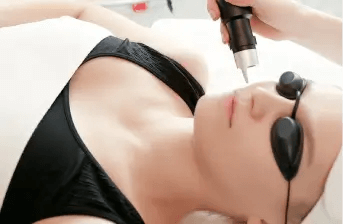
How to Remove Eye Wrinkles: The Ultimate Guide to Smooth. Youthful Eyes
LEARN MORE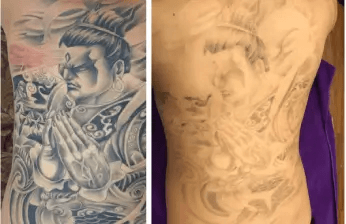
How Long Does Laser Hair Removal Last? Your Guide to Permanent Results
LEARN MORELooking for something else?
Skin Rejuvenation: The Ultimate Guide to Treatments & Benefits
LEARN MORE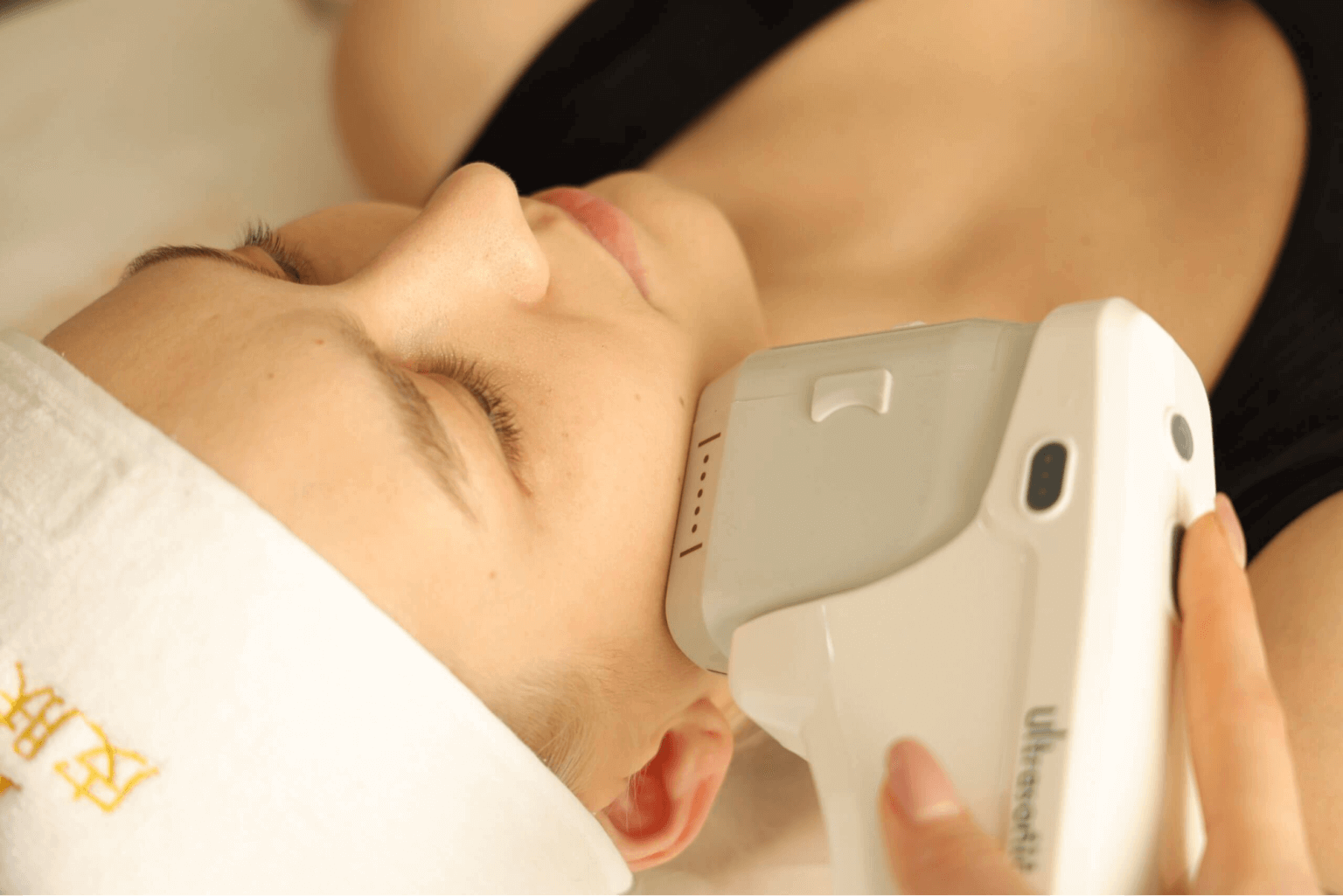
Does HIFU Really Work? Benefits, Results & What to Expect
LEARN MORE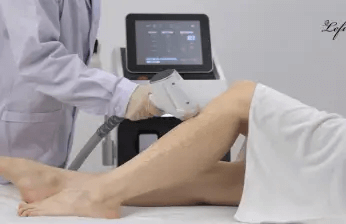
How Long Does HIFU Last? Your Guide to Lasting Non-Surgical Lifts
LEARN MORE


Further reading
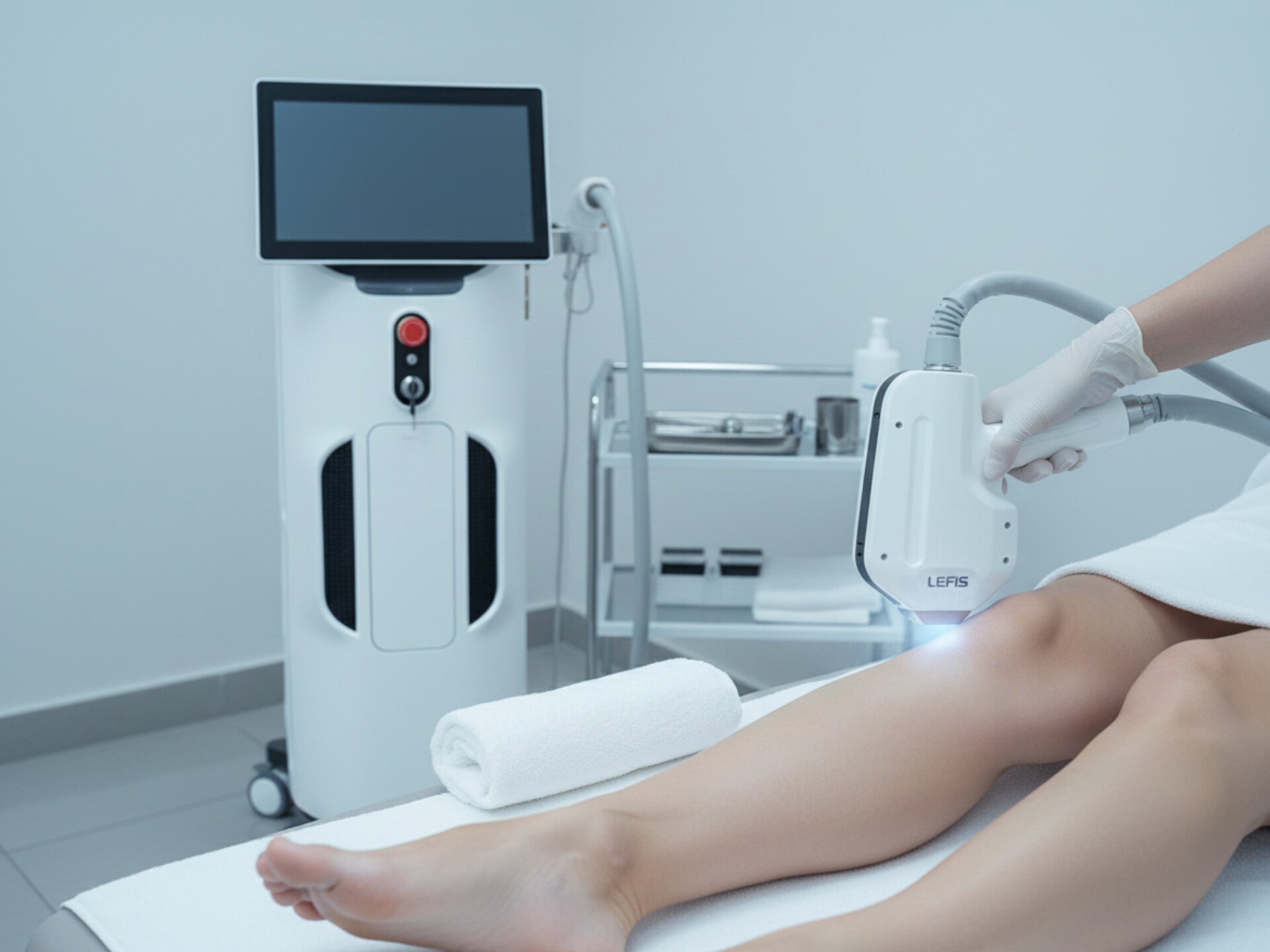
2026 Diode Laser Hair Removal Machine Ranking: 10 Best Options for Clinics
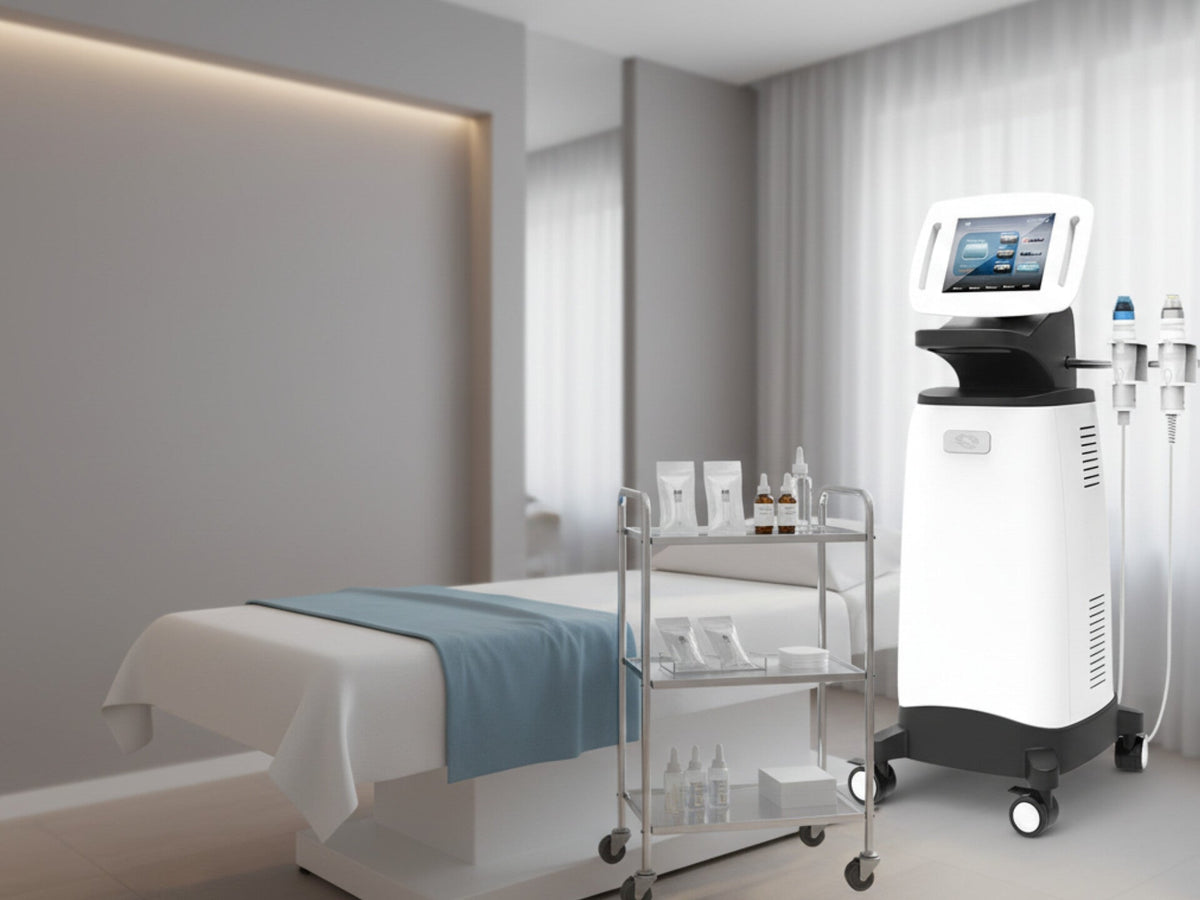
13 Best Professional Beauty Devices for Skin Rejuvenation Clinics in 2026
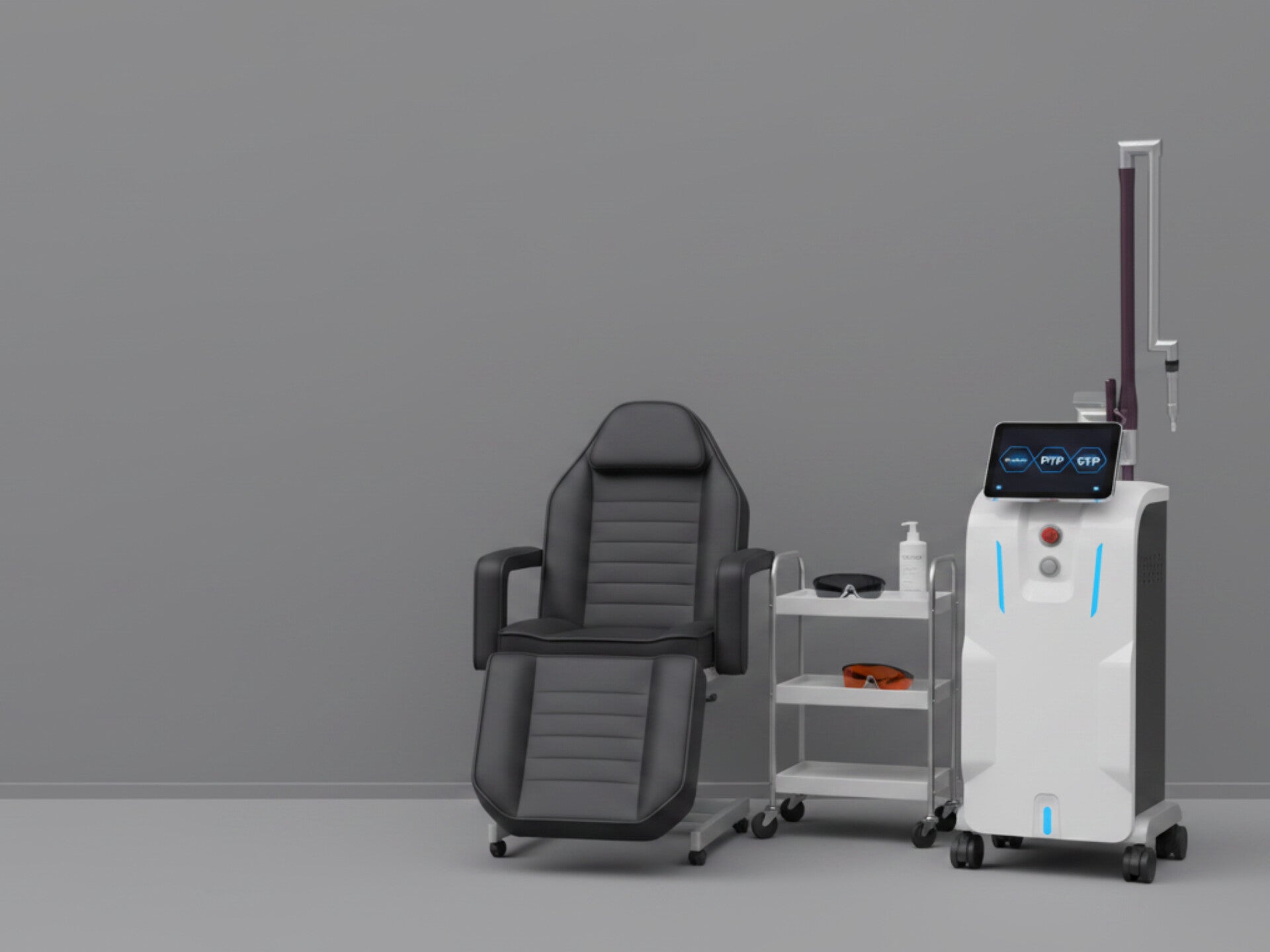
Laser Tattoo Removal Machines: Pico vs Q-Switched Nd:YAG for Clinics