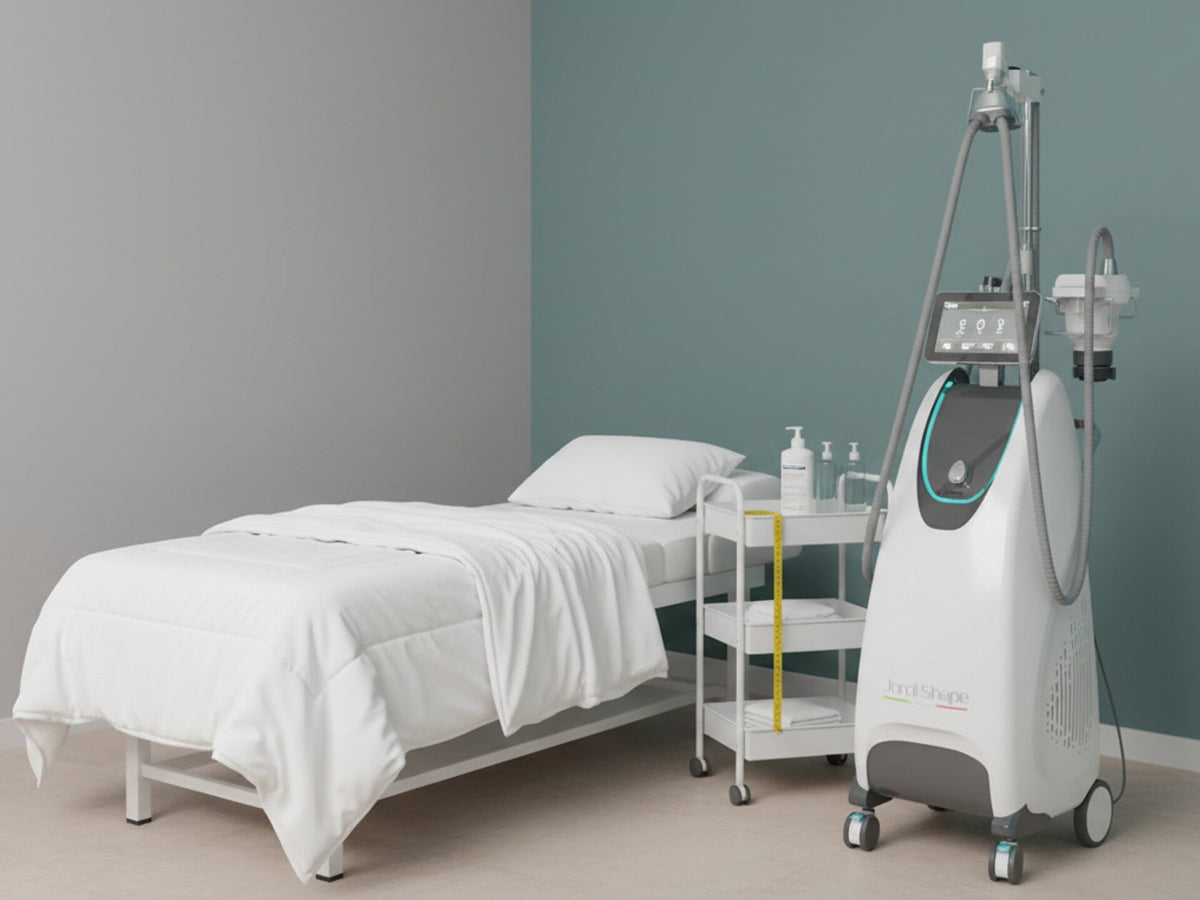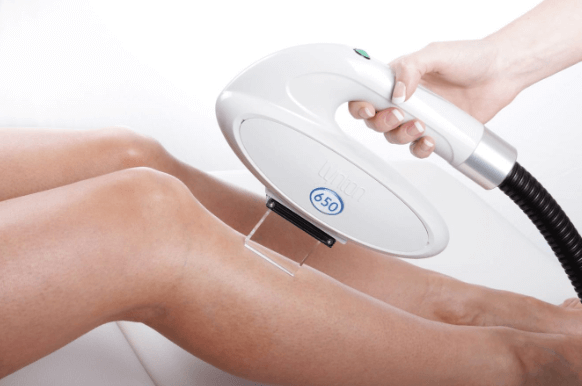
Diode Laser Machine Cost & Pricing Factors
Whether you’re a clinic owner, investor, or buyer researching platforms, one of the first questions is simple: what is the diode laser machine cost? The answer is layered. Sticker price is only the beginning; you also need to consider service contracts, consumables, warranty, training, and ROI. This guide breaks down diode laser hair removal machine price ranges, what drives them up or down, and how to calculate realistic payback models.
Why diode laser is considered the “workhorse” for hair removal
Diode technology (usually 800–810 nm, sometimes blended with 755 nm and 1064 nm in triple-wavelength systems) is a backbone of modern hair removal. Unlike home devices or IPL systems, professional diode machines are true lasers, delivering concentrated energy into the follicle with precision and large spot sizes. This efficiency makes them a go-to choice for clinics looking for speed, safety, and broad skin type coverage.
When you compare devices or vendors, cost must be viewed in the context of throughput and patient range, not just the purchase invoice.
What does a diode laser hair removal machine cost?
Pricing varies significantly depending on new vs pre-owned, single vs triple wavelength, handpiece design, and certification status.
- New professional diode machines: typically $30,000 – $100,000. High-end models with larger spot sizes, sophisticated cooling, and advanced pulse control can reach $120,000 – $150,000+.
- Pre-owned/refurbished: quality used systems may be found in the $20,000 – $60,000 range, depending on age, cycles, and warranty support.
- Portable or entry-level clinic units: often fall around $25,000 – $40,000, appealing for start-ups or smaller spaces.
Core pricing factors you need to understand

Power and wavelength configuration
Higher maximum power, triple-wavelength capabilities, and consistent fluence across spot sizes add to cost—but also widen your patient pool and reduce session times.
Spot size and repetition rate
Machines with larger treatment windows and high repetition rates are priced higher but drastically reduce chair time. Faster throughput equals more patients per day.
Cooling technology
Integrated sapphire contact cooling, TEC modules, or air cooling keep treatments safe and comfortable. Advanced cooling increases upfront cost but improves tolerability and decreases downtime.
Build quality and certification
Machines with FDA clearance, CE marking, ISO certification, and robust safety features command higher prices than uncertified imports. For a clinic, this also influences insurability and patient trust.
Warranty and service
Some systems come with 2–3 year warranties, others only 1 year. Extended warranties or service contracts (often 8–10% of purchase price per year) impact lifetime cost.
Ongoing costs beyond purchase price
Consumables
- Cooling gel and single-use hygiene materials: modest but recurring.
- Filters or handpiece parts: some models require replacements after a set number of pulses.
Maintenance & service
- Annual service contracts: typically $5,000–$10,000+ depending on machine and provider.
- Emergency repairs: without a contract, one major board replacement can cost thousands.
Training
Some suppliers include free training and setup; others charge. Staff competency is directly tied to safety and ROI, so never skimp here.
Financing options clinics actually use
Few clinics pay 100% upfront. Common structures include:
- Leasing: predictable monthly payments, often with a buyout option at term end.
- Bank financing: longer-term loans with interest, suited to established practices.
- Vendor financing: some suppliers offer in-house payment plans to reduce upfront friction.
A typical loan of $80,000 over 5 years might mean payments of $1,600–$1,800/month, which many clinics recoup with a handful of sessions.
Diode laser hair removal cost for patients (to calculate ROI)

Patient-facing diode laser hair removal cost varies by clinic, geography, and treatment area:
- Small areas (upper lip, underarms): $100–$250 per session.
- Medium areas (bikini, lower legs): $250–$600 per session.
- Large areas (full legs, back): $600–$1,000+.
Most patients require 6–8 sessions for long-term reduction, making a typical course worth several thousand dollars in revenue.
ROI models: how fast can a diode laser pay for itself?
Let’s run a simple calculation for an $80,000 machine:
- Average treatment fee: $300
- Variable cost per session (gel, staff time, electricity): ~$50
- Net per session: $250
To cover $80,000, you need ~320 sessions.
If your clinic books 40 sessions/month, the machine pays for itself in 8 months.
If you book 20 sessions/month, payback stretches closer to 16 months.
Once paid off, the same machine becomes a profit engine, with only service and consumables to cover.
Compliance and safety considerations that affect cost
Investing in a professional-grade diode platform is also about liability control. Machines with certified optics, redundant safety systems, and supplier training reduce the risk of burns, PIH, or ineffective outcomes. Cutting corners on purchase price without vetting safety can cost more in reputational and legal damage than any savings.
Buying tips: what to ask suppliers
- What warranty comes standard, and what does it exclude?
- How much is a service contract after warranty expires?
- What is the handpiece lifespan before replacement or overhaul?
- Do you provide operator training and marketing support?
- Is the machine FDA/CE/ISO certified and insurable in my market?
Where to start your comparison
If you’re building a short-list, focus on certified Diode Laser Hair Removal Machines that align with your target patient base and throughput needs. Spot size, cooling, and service terms are as important as upfront price.
Frequently Asked Questions
How much does a diode laser hair removal machine cost?
Expect $30,000–$100,000+ new, $20,000–$60,000 refurbished.
What is the diode laser hair removal cost for patients?
Fees range from $100–$1,000 per session depending on area and clinic; most need 6–8 sessions.
What drives price differences between machines?
Power, spot size, cooling system, wavelength options, certifications, and warranty.
How long to ROI?
With healthy patient volume, payback can be 8–16 months; higher throughput clinics may recover cost even sooner.
Is it worth buying a diode laser hair removal machine?
For clinics aiming to expand or secure long-term revenue, yes—provided you model costs, volume, and service obligations honestly.
Closing thought
Diode laser machine cost is not just about equipment price. It’s about balancing purchase, maintenance, and training costs with treatment pricing, patient demand, and ROI timelines. Clinics that do this homework upfront avoid surprises and maximize the long-term profitability of their investment.
If you’re evaluating options, compare more than the invoice—look at total cost of ownership and your realistic patient flow. That’s where the real numbers tell the story.


Looking for something else?
How Long Does Laser Hair Removal Last? Your Ultimate Guide to Smooth Skin
LEARN MORE
How to Remove Wrinkles from Forehead: Natural & Quick Methods
LEARN MORE
How to Remove Eye Wrinkles: The Ultimate Guide to Smooth. Youthful Eyes
LEARN MORE
How Long Does Laser Hair Removal Last? Your Guide to Permanent Results
LEARN MORELooking for something else?
Skin Rejuvenation: The Ultimate Guide to Treatments & Benefits
LEARN MORE
Does HIFU Really Work? Benefits, Results & What to Expect
LEARN MORE
How Long Does HIFU Last? Your Guide to Lasting Non-Surgical Lifts
LEARN MOREYou may also like


Further reading
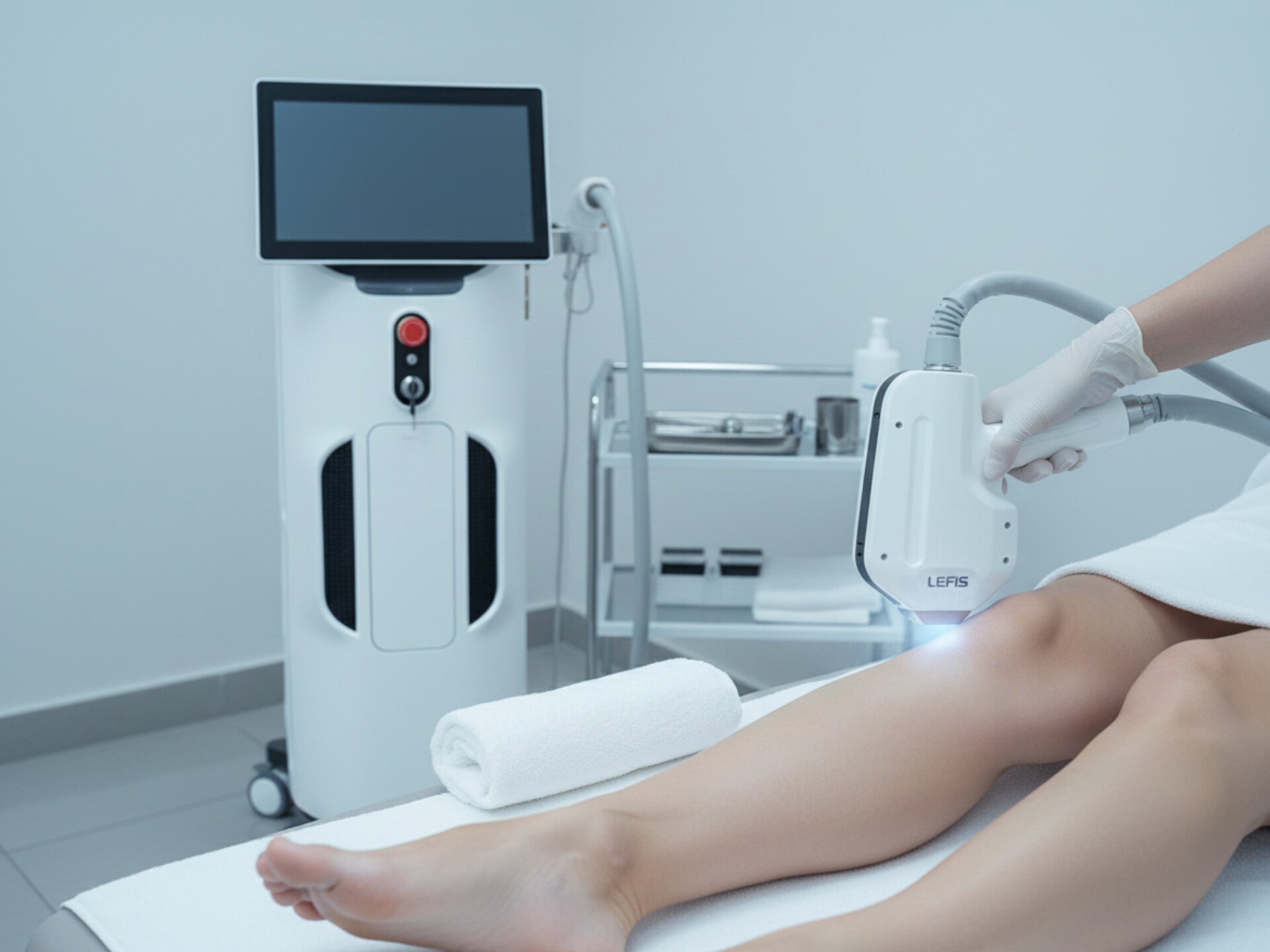
2026 Diode Laser Hair Removal Machine Ranking: 10 Best Options for Clinics
13 Best Professional Beauty Devices for Skin Rejuvenation Clinics in 2026
Laser Tattoo Removal Machines: Pico vs Q-Switched Nd:YAG for Clinics